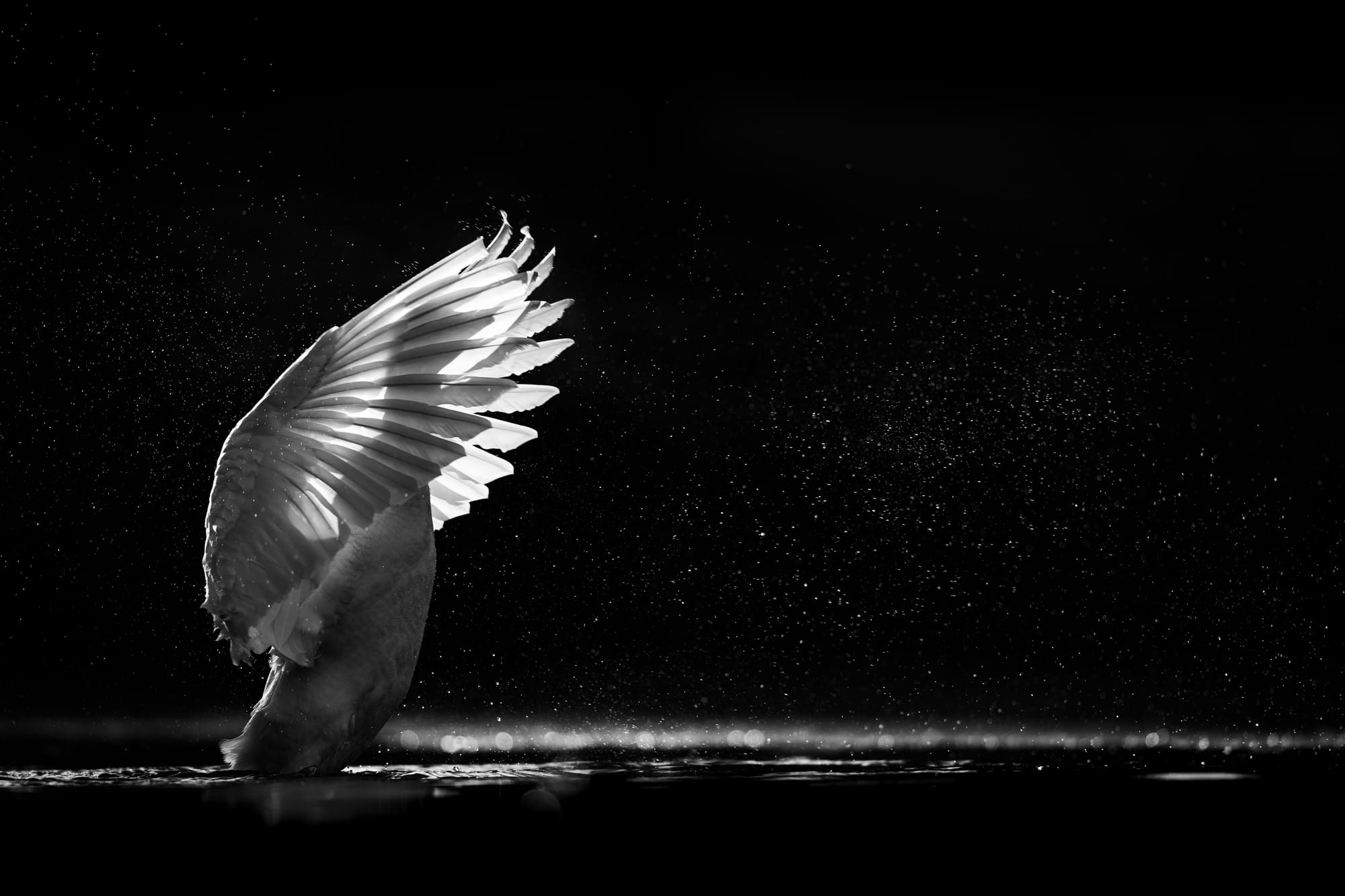
A single bird opening its wings can transform a photograph. For Dutch nature photographer Alex Pansier, noticing these small moments is part of an approach shaped by patience, curiosity and time spent outdoors. What began as a way to unwind from running a business has grown into a career, with light, shapes and space at the heart of his fine-art nature photography. In this interview, Alex reflects on finding his own visual voice, returning to familiar places with fresh eyes, and why the experience behind an image matters as much as the photograph itself.
Alex, can you tell us a little about yourself and how your journey into photography began?
I’m Alex Pansier, a nature photographer from the Netherlands. I live in Oss with my wife and our two children.
I started photography in 2018. At the time, I ran an e-commerce platform that helped small retailers start their own online shops. The business was successful, but as it grew, it also became quite stressful. I needed a way to relax, so I bought a camera and started spending time in nature.
I enjoyed it so much that photography became a bigger part of my life. In 2021, I decided to sell my business. Since then, I’ve been a full-time nature photographer.
How would you describe your photographic style, and how has it evolved?
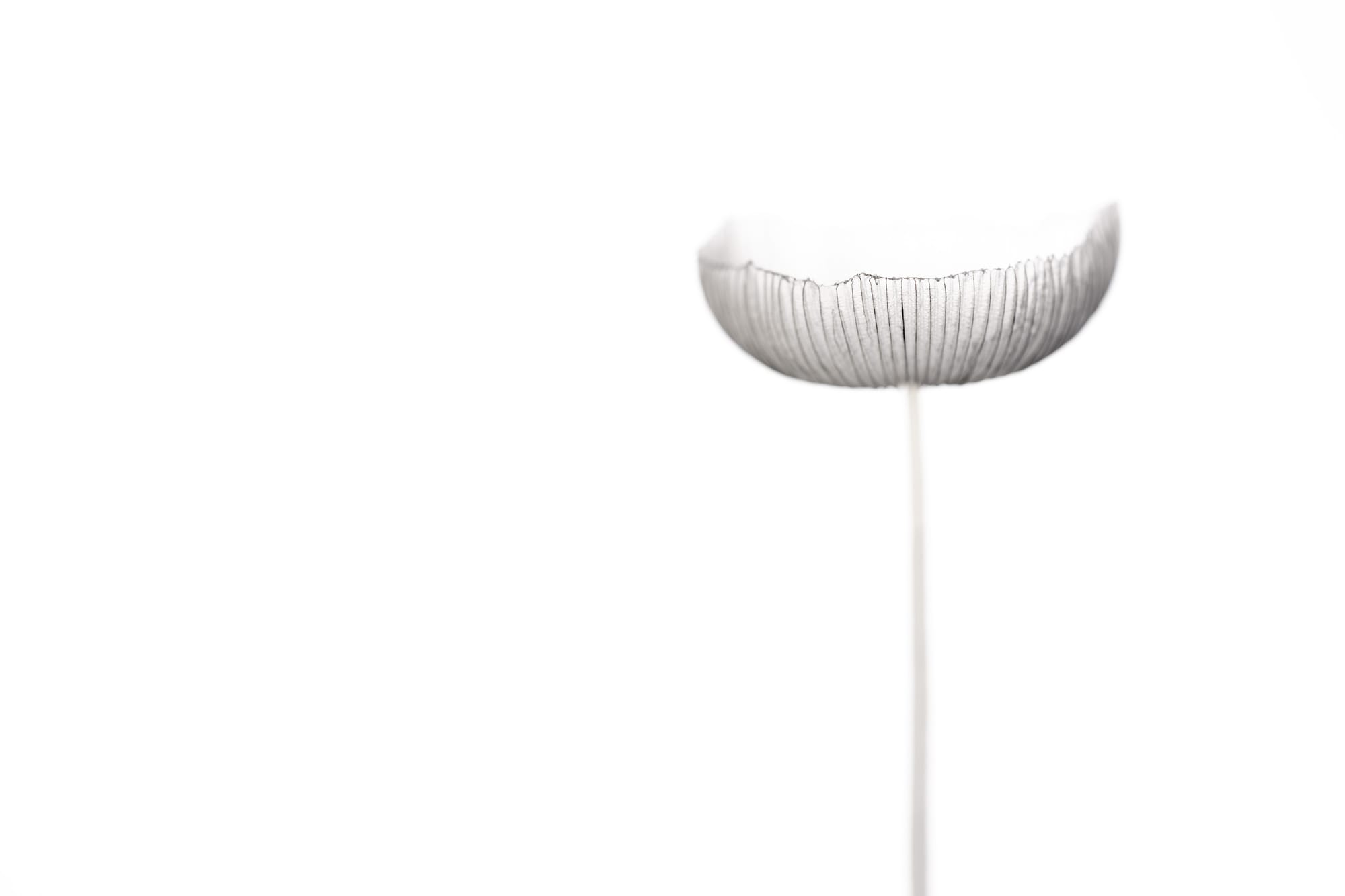
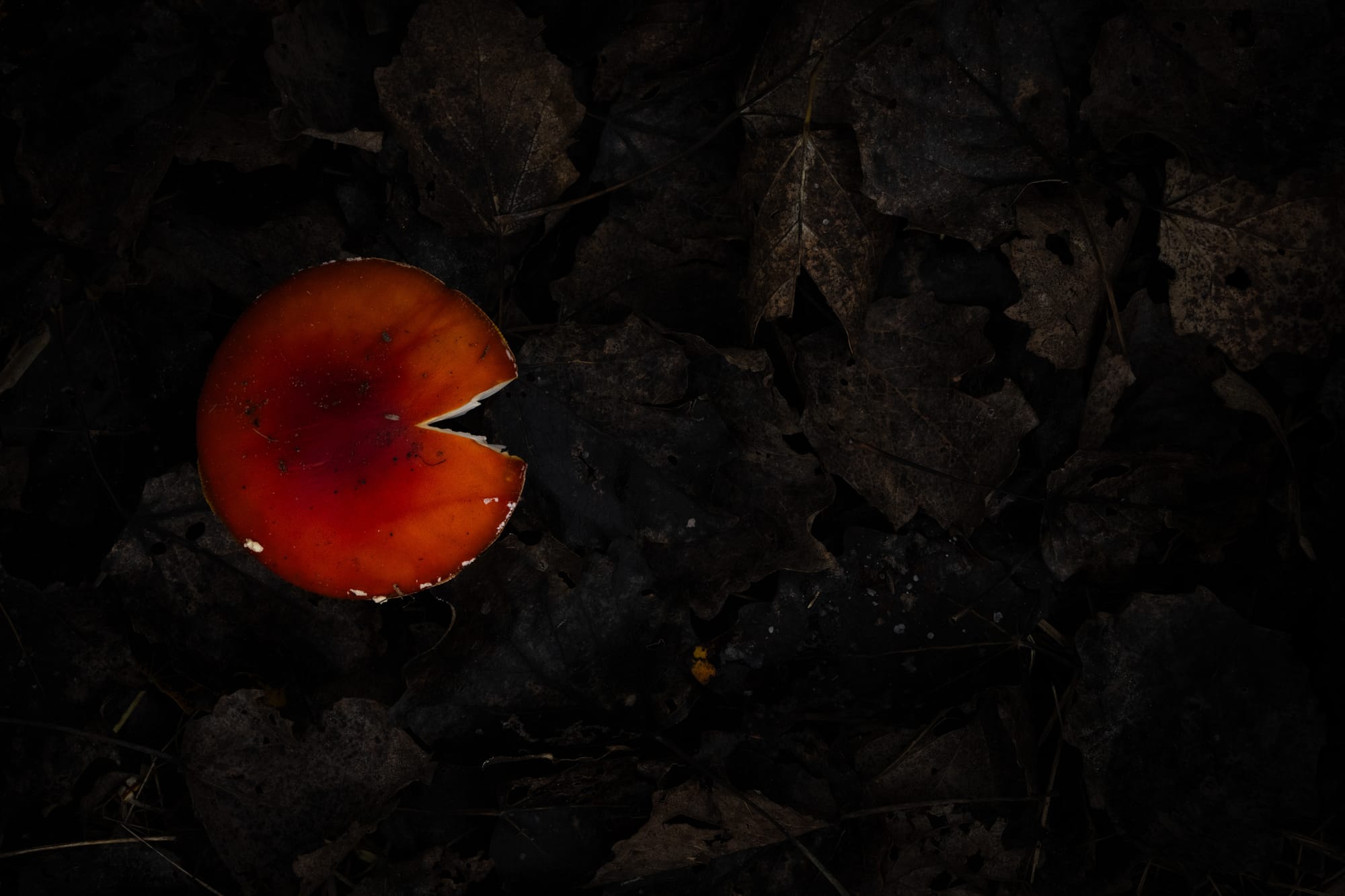
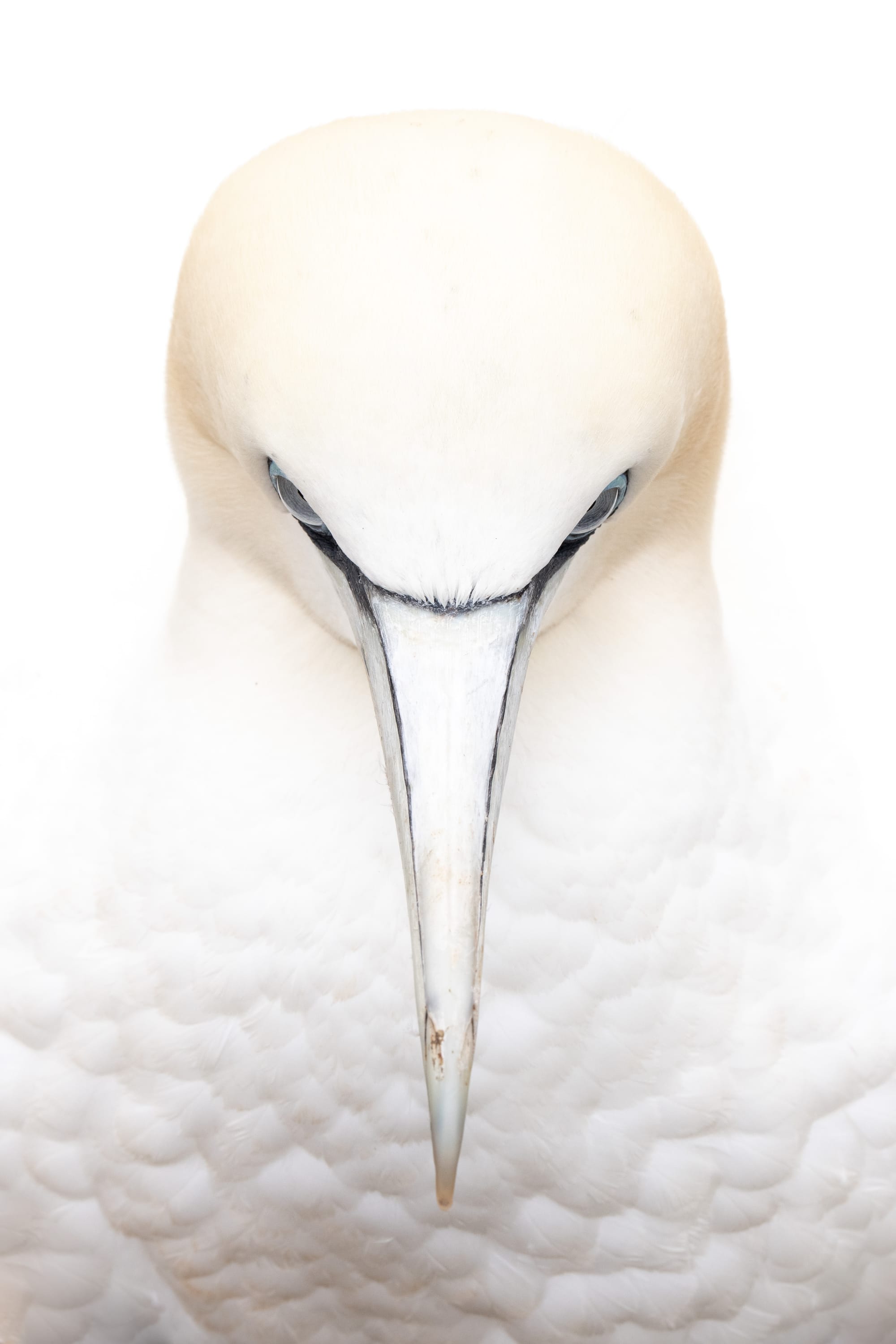
I would describe my style as fine-art nature photography, often with a simple, minimal approach. I’m drawn to light, shapes and small details, whether I’m photographing wildlife, landscapes or something much smaller.
Over time, my interest moved from showing what I saw to finding my own way of seeing it. The subject still matters, but so does the space around it. Sometimes a small detail or a simple shape is enough to make a photograph interesting.
When you’re out in the field, do you have an image in mind or respond to what you find?
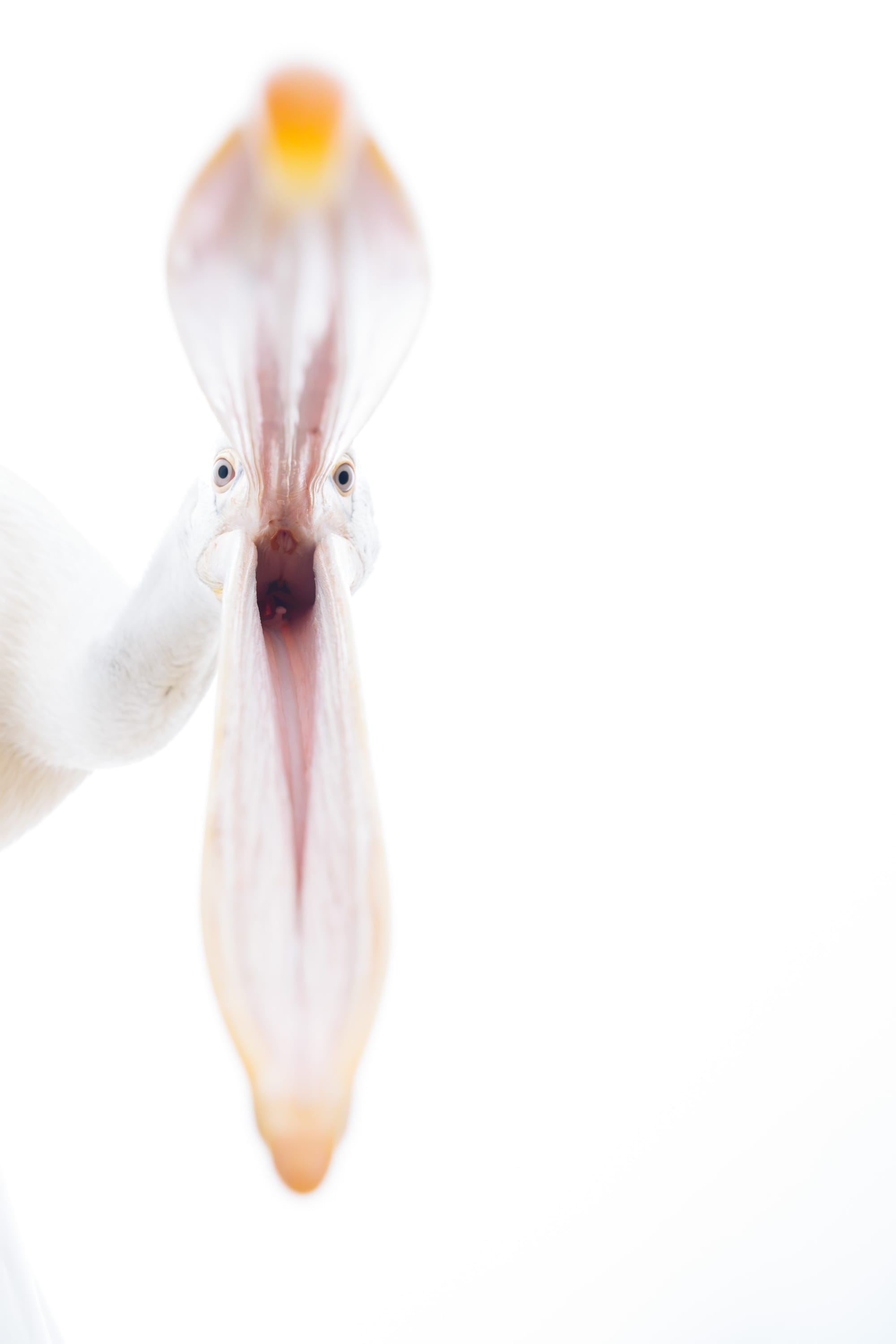
I always go out with a purpose. It might be an animal I want to find or an abstract image I have in mind. I often return to the same place, hoping that one day the light and conditions will come together for the photograph I want to make.
At the same time, I keep an open mind. I might set out looking for one thing and find something completely different along the way. Those unexpected discoveries are an important part of photography for me.
Having an idea gives me direction, but I leave room to be surprised. Often, my favourite photographs come from moments I hadn’t planned.
How important are failure and repetition in developing your work?
They are an important part of the process. I often return to the same place because the conditions aren’t right, or because I haven’t yet made the photograph I have in mind. Going back gives me another chance, but it also helps me get to know the place and see things I missed before.
My years as an entrepreneur taught me to keep trying and learn from what doesn’t work. I bring that same approach to photography: stay curious and try to make the next attempt a little better.
Do you have a favourite photograph, or one that is particularly important to you?
It’s difficult to choose because so many photographs have their own memories. Each one takes me back to a trip, a particular day or an encounter with an animal.
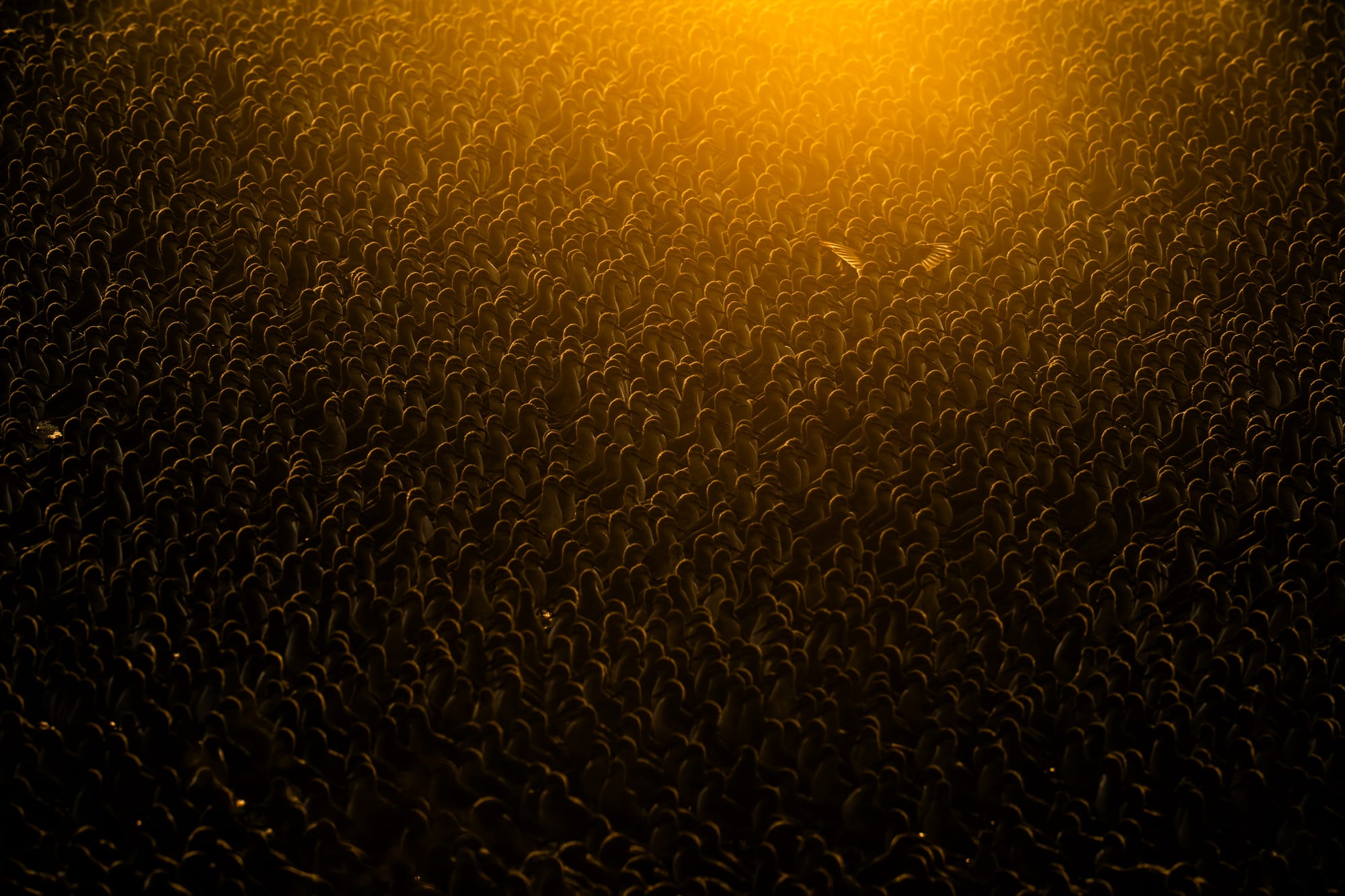
One that stands out is Flock of Gold. I took it in Norfolk, England, where tens of thousands of red knots were gathered together. I love seeing large groups of birds or animals forming one huge mass. It was fantastic to watch.
The sun rose behind the birds, giving them a beautiful golden glow. Then I waited for one bird to open its wings. That small movement added something extra to the photograph. The image has won several awards, which I’m very proud of, but the memory of being there is just as important to me.
When I was an entrepreneur, I hardly spent any time in nature. It was only through photography that I discovered how much beauty there is around us.
How much of the final image is created in camera, and how much happens in post-processing?
I try to get the photograph as close to perfect as possible in camera. I’m a perfectionist, so I take a lot of photographs, sometimes more than 10,000 in a day. I often shoot in burst mode, which lets me choose the exact moment when everything comes together.
I also enter many photography competitions, where the original RAW file is often checked. My final image needs to stay close to that original, so I aim to make a photograph that only needs a little editing.
My post-processing is mostly basic adjustments: some sharpening, contrast and small colour corrections. I keep it minimal. For me, getting the image right in the field is a big part of the challenge.
What are your thoughts on AI in photography, and where do you draw the line in your own work?
I’m very interested in AI. Alongside photography, I’m still an entrepreneur, and I enjoy using it to build software. I’ve also seen beautiful AI art. At the same time, I think people value authentic work and the real experience behind an image.
For my own nature photography, I keep the final image close to what I captured. Competition rules limit what I can change, and I enjoy that challenge. Getting the photograph right in the field feels like a craft to me.
I’m curious about where AI will take us, but the real encounter remains an important part of my photography.
What have you learned about finding your own visual voice?
The most important thing I’ve learned is to stay true to myself and make photographs I enjoy. There are so many images on social media that it’s easy to compare yourself with others or focus on likes. But someone else getting more attention doesn’t mean you should follow their path.
My advice is to experiment and try different things. Gradually, you’ll discover what interests you and what doesn’t. Follow what gives you energy, even if other people don’t always like it. If you only make photographs to please others, it’s hard to keep enjoying it. Your own interests are what help you find your voice.
What’s next for you and your photography?
One of my biggest challenges was publishing my book, From Nature to Art, about two years ago. It follows my development from documenting nature to a more fine-art approach. It became a beautiful, high-quality coffee-table book, and I’m very proud of it.
Alongside photography, I’m also thinking about starting another business. I’m still an entrepreneur at heart, and AI has opened up so many opportunities. I’ve already built a few platforms, and I hope to introduce one in the travel industry soon. I can’t share much about it yet.
I’m also open to other ideas. If someone has a great idea for a platform, website or app but doesn’t know how to build it, they’re welcome to send me a DM. Who knows what might come from it?