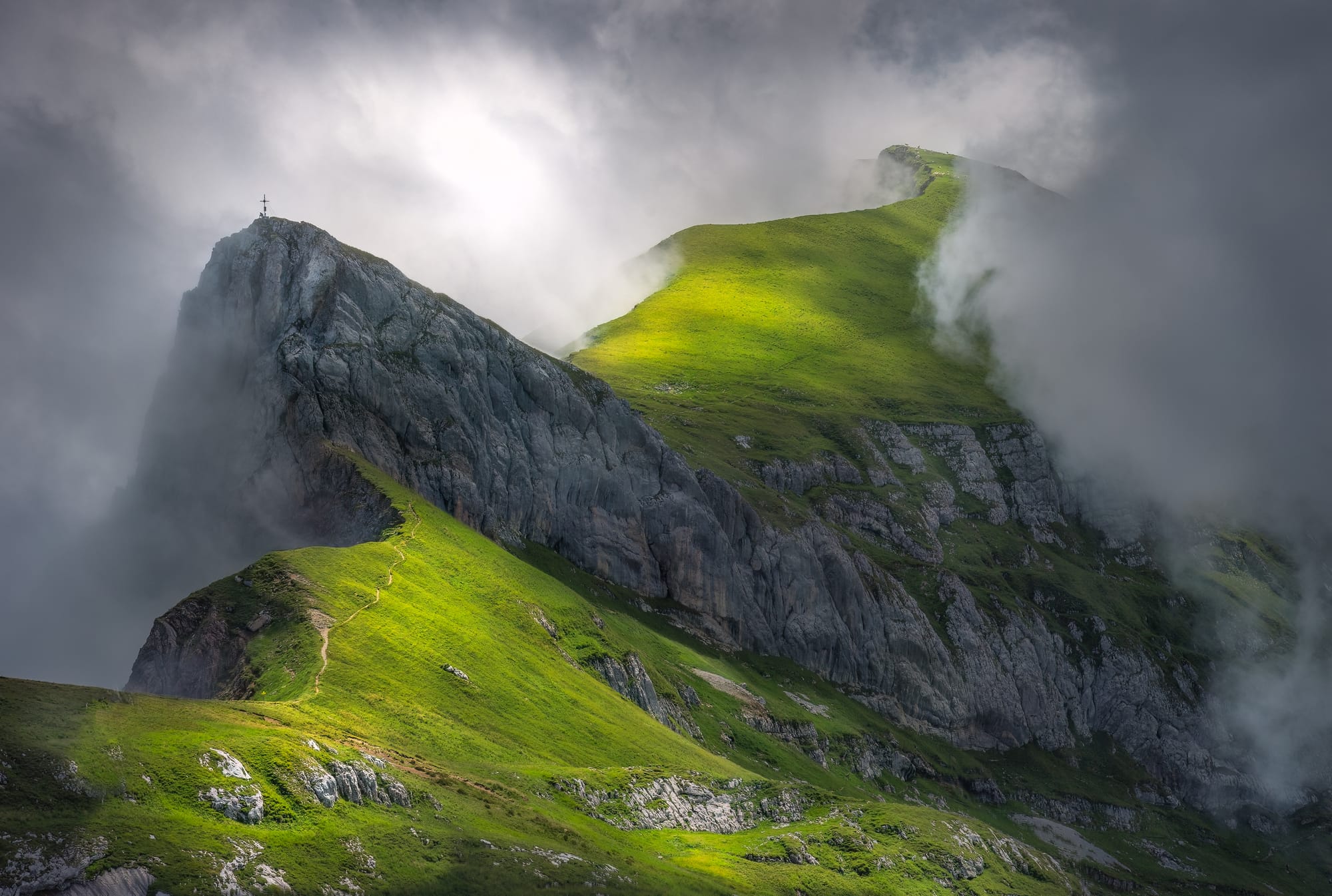
For Austrian photographer and molecular biologist Lukas Trixl, photography began as a simple way to capture memories while travelling, but gradually became a much deeper connection with the natural world. Growing up surrounded by the Tyrolean Alps, mountains have always been part of his life and remain at the heart of his photography today. From searching for fresh perspectives on familiar landscapes to patiently waiting for elusive wildlife, Lukas approaches photography with curiosity, experimentation and a willingness to work with whatever nature provides. In this interview, he shares how his photography has evolved, the experiences behind some of his favourite images, his approach to post-processing and AI, and how carrying a camera has changed the way he experiences nature.
Lukas, How did your photography journey begin, and what do you most enjoy photographing?
I am a 34-year-old molecular biologist currently working in the pharmaceutical industry, and a passionate nature photographer. I was born and raised in Tyrol, Austria, and got my first digital camera back in 2018 from my older brother Daniel, who thought photography might be a nice hobby for me as well.
At that time, it was a nice way to capture memories during holidays, but I did not know anything about composition or post-processing and, honestly, I wasn’t really interested in learning about it. It wasn’t until 2022 that my partner Hannah and I started taking photography more seriously. We spent countless hours in the field and behind the computer, working on compositions, techniques and post-processing while trying to develop our own style.
As a biologist, I have always been interested in the natural world, so landscapes and wildlife are my favourite subjects to photograph. I grew up in the Tyrolean Alps, and mountain-related activities have been part of my life from the very beginning. From a landscape photography perspective, mountains therefore hold a special place in my heart and remain my favourite subject.
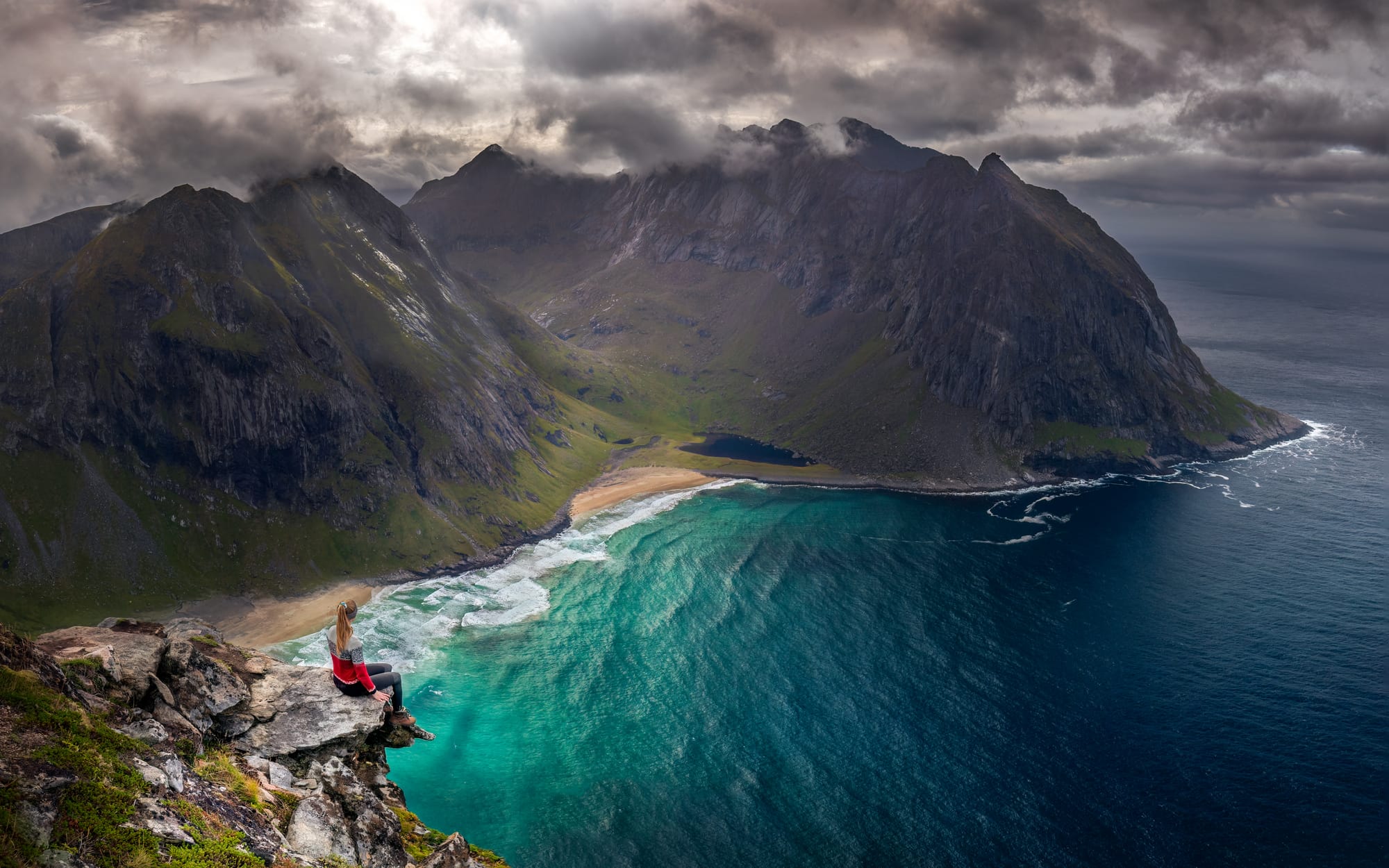
Do you have a favourite photograph and story behind it?
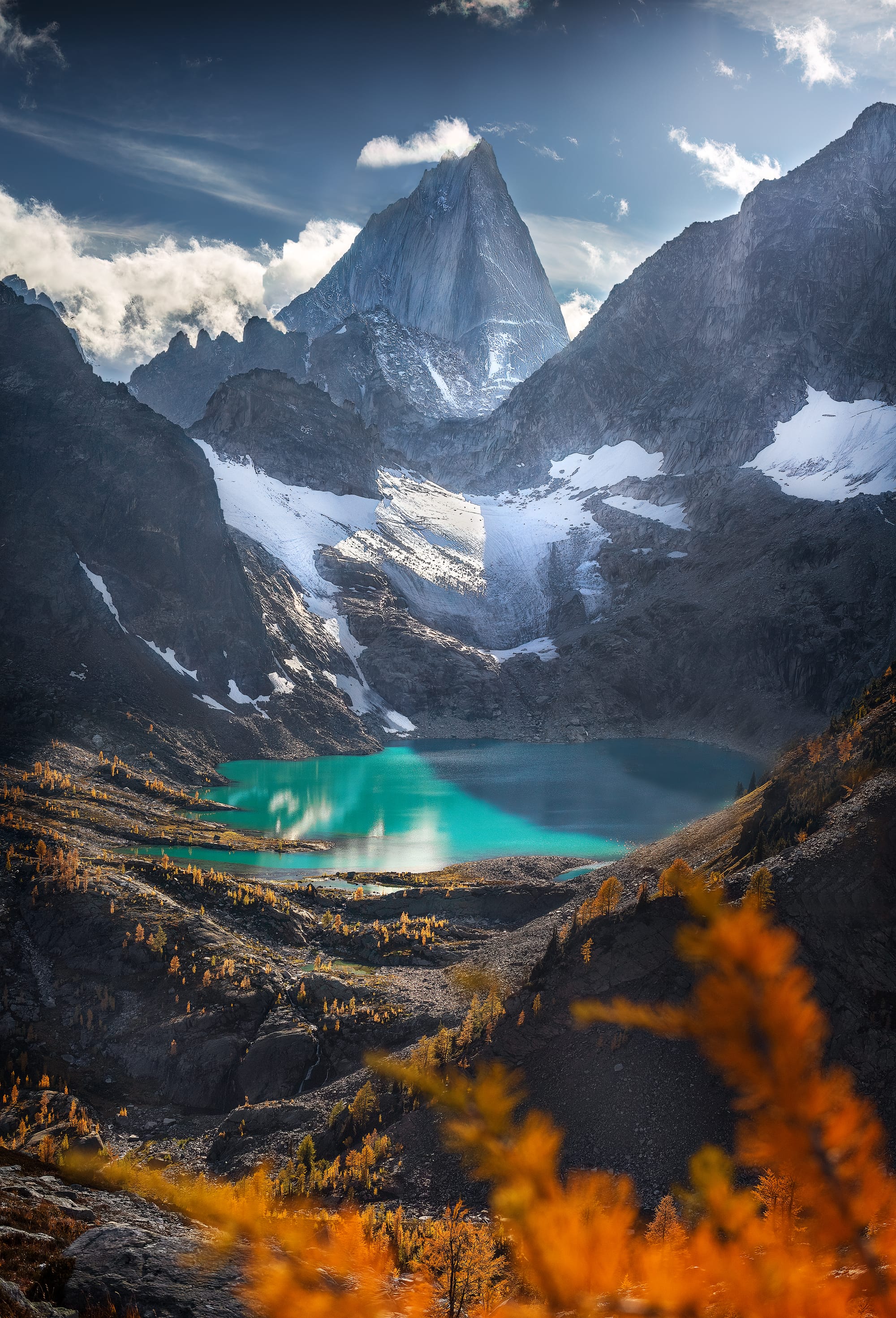
That’s a very difficult question :) A philosophical way of answering it would be to say that it’s the photo I have not yet taken. But in all seriousness, it might be the photo I took at Cobalt Lake in Canada, not because I found the most epic composition, which I didn’t, or because the conditions were mind-blowing, which they weren’t, but because of the unique experience we had.
As mentioned above, it was the first full-on photography trip we had taken, and we had not initially planned to visit Cobalt Lake because we weren’t aware of its existence. The host of our accommodation recommended the hike to us, mentioning that September is the time when Canadians go on the ‘larch march’ in the Rocky Mountains. He convinced us, and the next day we prepared for the hike.
Getting there meant following a seemingly endless, steep and bumpy gravel road before finally arriving at the trailhead. There, rolls of chicken wire were waiting for us to wrap around our car as protection from local porcupines, as explained by a sign. The chicken wire was probably meant for cars staying overnight, but since we did not know how long we would be away, we wrapped our car anyway. That took us another 30 minutes before we could begin the hike.
In the end, however, the long drive and all the inconvenience were more than worth it. At the end of the trail, we were rewarded with one of the most beautiful mountain views I have ever witnessed: a turquoise mountain lake, orange larches scattered across the landscape, and the rugged peaks of the Canadian Rockies rising around it.
Do you plan for particular conditions or work with what you find?
Yes, if I am able to plan a shoot at short notice, for example, in my home region, the Austrian Alps, the Dolomites, or the Swiss or French Alps, I usually wait until the weather forecast predicts promising conditions. However, for longer trips around the world, I have to work with whatever weather I get when I arrive. Since I am not a professional photographer, I have to book well in advance and coordinate my holiday time with my colleagues at work.
How do you find a fresh perspective at popular locations?
In my opinion, this is more of a problem in landscape photography. The longer I do this, the more I try to avoid locations that have been photographed millions of times. However, if I still want to visit such places, I try to avoid the ‘classic’ composition whenever possible by using different lenses, compositions, perspectives or a drone.
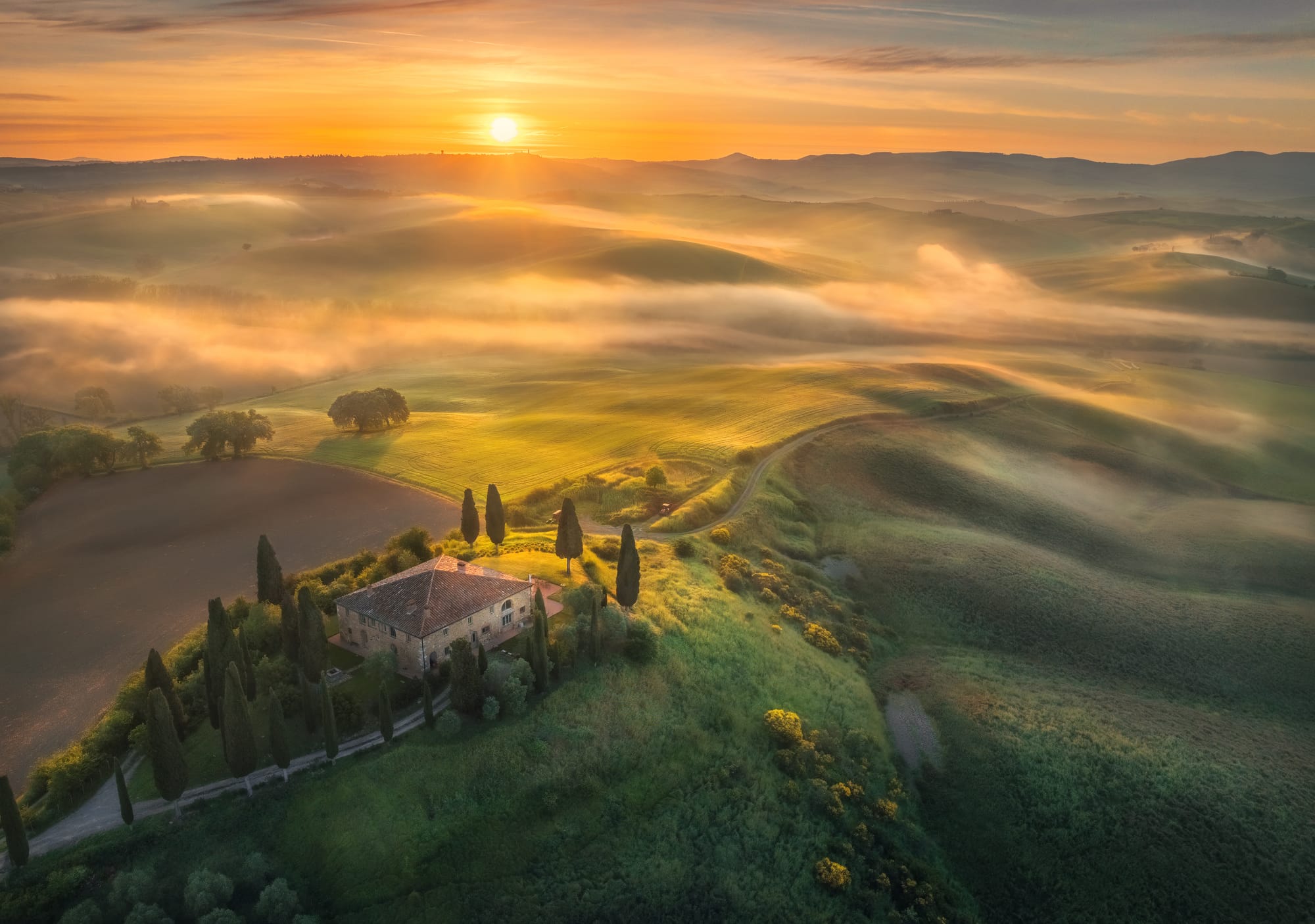
When I visited Tuscany last year, for instance, I wanted to photograph the famous Podere Belvedere location differently. I ended up with a drone composition that I am quite satisfied with, avoiding the familiar telephoto view that has already been seen so many times.
What do you enjoy most about wildlife photography, and what has been your most memorable encounter?
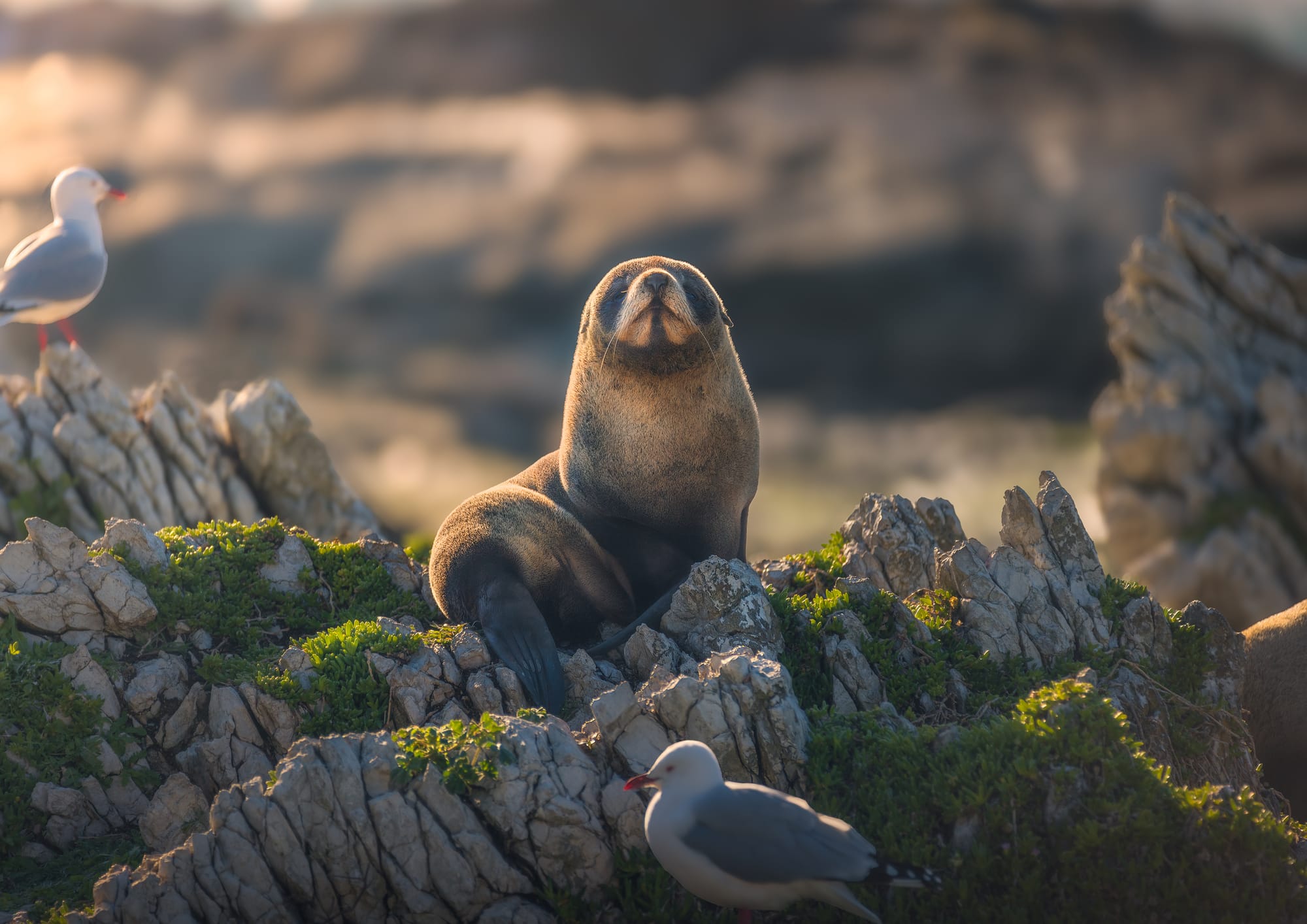
Wildlife photography is a completely different beast compared with landscape photography, and patience takes on a whole new meaning. What I enjoy most is the encounter itself, when it finally happens. Often, you visit a certain place numerous times, wait for many, many hours, and still nothing happens. But when you are lucky and your target animal finally appears, all the waiting and frustration become worth it.
Of course, being able to end the encounter with a beautiful image is the ultimate reward, but for me, that brief moment when it finally happens is the most exciting part.
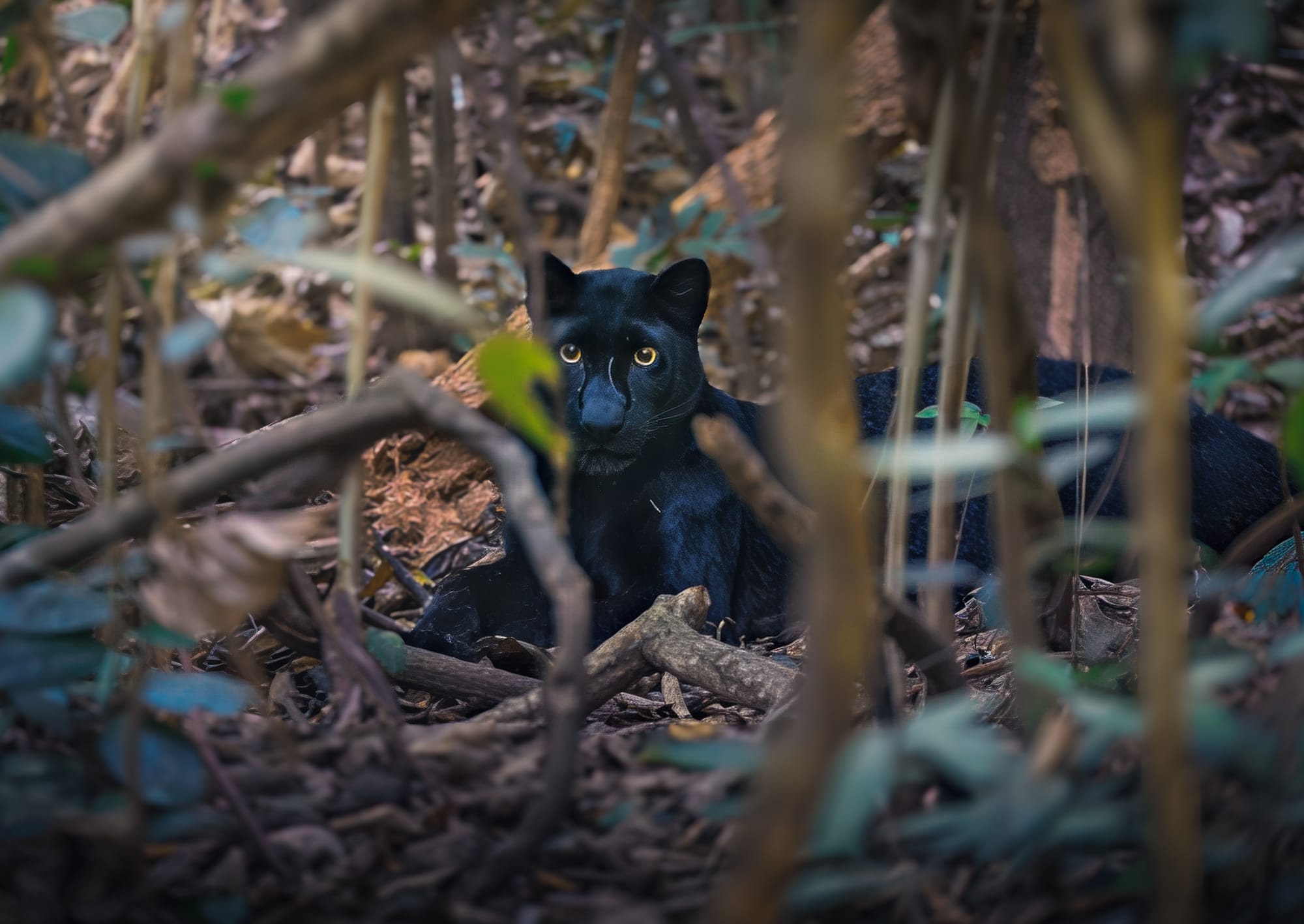
My most exciting encounter so far was seeing a melanistic leopard in Thailand this year. Although I did not manage to get a great photo, it was nevertheless an unbelievable experience to see this elusive predator in the wild. I will never forget his intense gaze and those beautiful eyes.
What does your usual photography process look like?
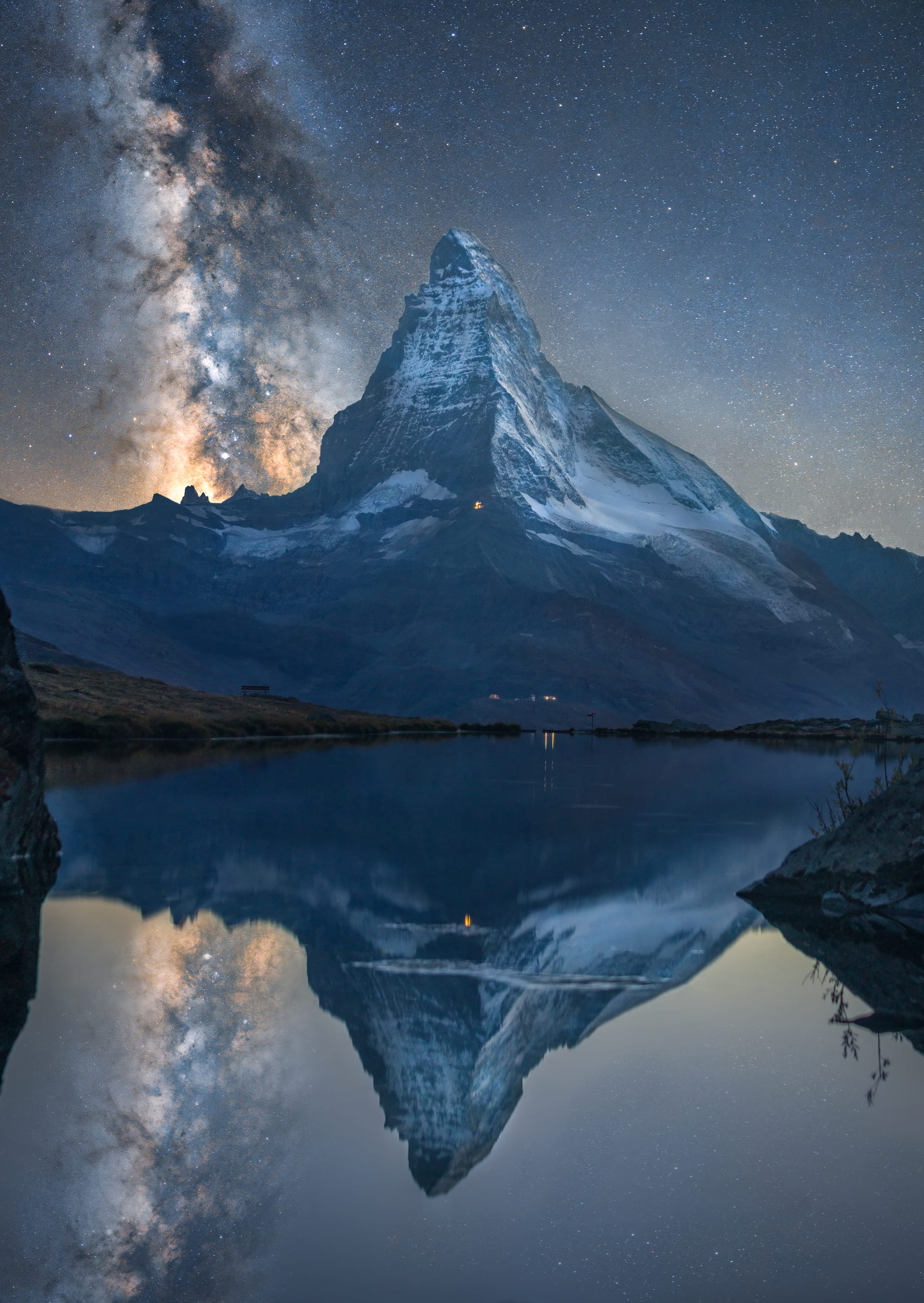
For landscape photography, the process usually starts with Google Earth, which has become one of my most important tools for finding new locations or different perspectives on familiar ones. What I don’t do, however, is plan the exact composition of the shot. As mentioned above, if I am able to plan around the weather, I normally wait for slightly unstable conditions with a chance of light breaking through the clouds. I am not a huge fan of plain blue skies, unless I am doing astrophotography, of course, or completely dramatic skies with no chance of light.
Then, depending on how the landscape is oriented, I visit the location either for sunset or sunrise, preferably sunset, as I am unfortunately not an early riser.
Once I am at the location, I roam around looking for potential compositions and try to create a balanced image with a clear foreground, midground and background. The great thing about today’s cameras (I use a Canon EOS R5) is that they allow for a more efficient workflow in the field. I have completely moved away from using tripods. I don’t even take one with me anymore unless I am doing astrophotography, and I shoot everything handheld.
The amazing image stabilisation and dynamic range of modern cameras allow me to capture handheld focus stacks or exposure brackets, even when shooting a river or waterfall scene with longer exposure times. This allows me to move quickly from one spot to another and bring home many different compositions of the same location to choose from. For me, the traditional image of a landscape photographer standing with a tripod in the same place for hours no longer reflects how I work today.
How important is post-processing to your work?
There is a lot of ongoing debate about this topic in the photography community. To me, post-processing is just as important as the work in the field, and the two should complement each other. It is the only way to give your images a distinctive style and recognition value, moving your work away from a purely documentary style towards a more artistic one. To me, that is ultimately what photography should be: a creative art form.
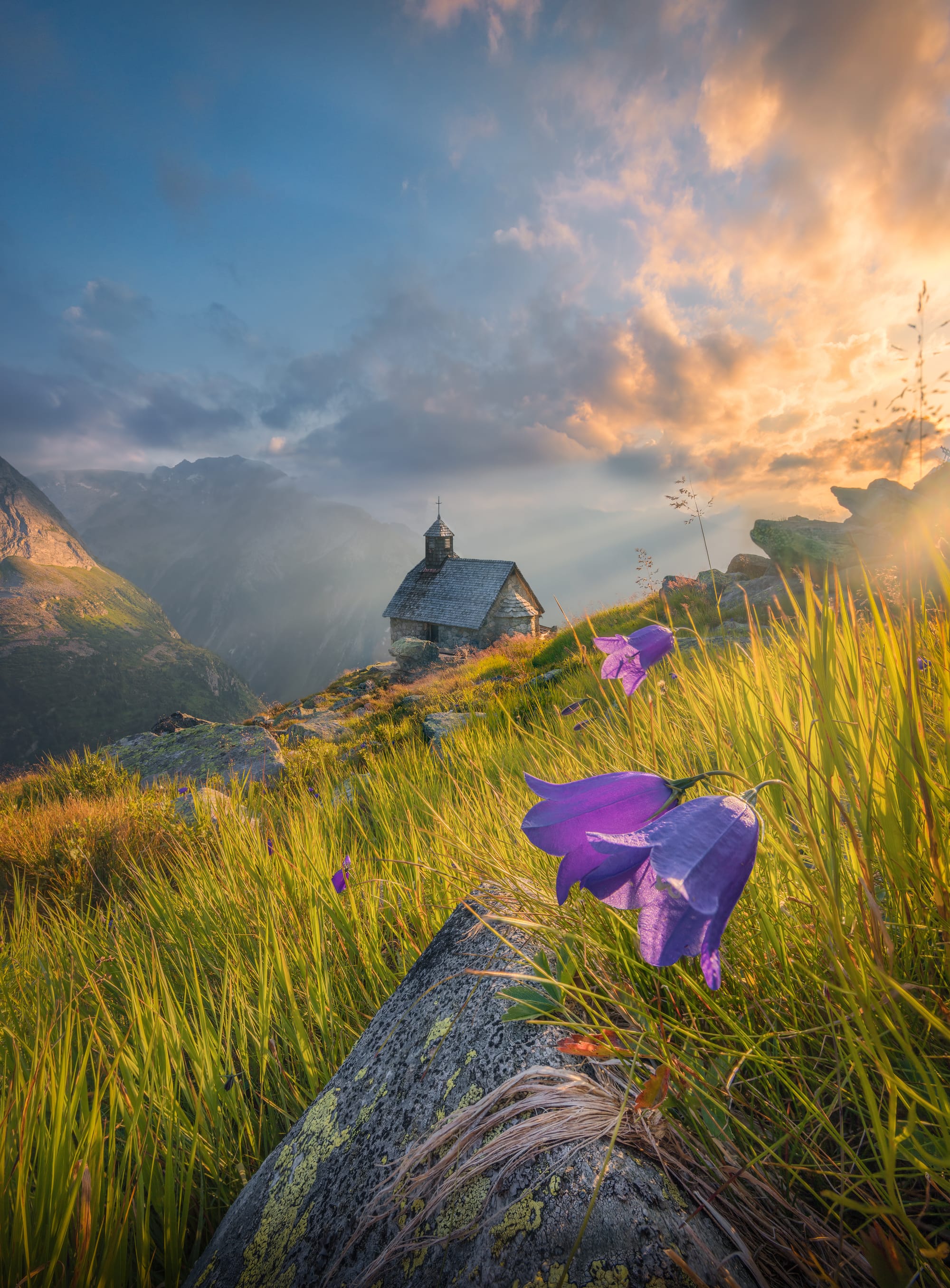
My typical editing process focuses on small local adjustments rather than global ones. For local adjustments, brushes and luminosity masks have become my main tools for editing only specific parts of an image. Taking the natural world as an example, I try to recreate, in an artistic way, how we would perceive a specific scene in reality, since a camera sensor ‘sees’ differently from the human eye.
For instance, a mountain in the distance will always appear slightly hazy or bluish in the shadows, and a forest in the background will not have the same level of saturation and contrast as a tree right in front of the lens. The same is true of exposure: our eyes have no trouble seeing detail in a dark foreground and a bright background at the same time, whereas a camera requires different exposure times to capture both properly.
I try to emphasise these observations in my editing process and also convey the feelings I had at a particular place.
What are your thoughts on AI in photography, and where do you draw the line?
My general thoughts about AI are a bit ambivalent. As a scientist, I appreciate the technology itself and the incredible advances made over the past few years. I think that in specific fields, such as medicine, AI can be, and already is, a groundbreaking tool for certain tasks, including diagnostic imaging. In pharmaceutical development, AI will also pave the way for identifying new active pharmaceutical ingredients, supporting patients worldwide.
At the moment, however, my biggest concerns are that AI is extremely energy- and water-intensive, that there is practically no regulation, and that fake news and misinformation are spreading like wildfire. The world has definitely become a crazier place since AI entered our personal lives.
When it comes to creative work, I believe that AI should play as small a role as possible. I would, however, consider the use of AI justified for purposes such as denoising or sharpening images. When it comes to generating complete images or even individual elements within an image, this is an absolute no-go for me. The sole purpose of an artist is to be creative and to reach people through art. Why would I want to outsource that to a lifeless machine? To me, that defies all logic and also devalues the work of people who put their blood, sweat and tears into bringing their vision to life.
How has photography changed the way you experience nature?
Well, one thing that has changed completely compared with my pre-photography days is the time of day when I am out in nature. Back then, I had never witnessed a single sunrise or sunset from the top of a mountain; nowadays, it feels like the most natural thing in the world. On top of that, you usually have those amazing views all to yourself.
As a result, my experiences in nature have become much quieter and calmer. And, of course, you start seeing potential compositions everywhere you go!
There are, however, also some downsides that photography brings to these experiences. Sometimes, I become so focused on getting the perfect shot that I completely forget where I am and fail to enjoy the moment. That can be quite frustrating because, in hindsight, it sometimes feels as though I wasn’t really there at all.