


Photography can be many things. A way of documenting the world, expressing emotion, telling stories, or simply seeing familiar places with fresh eyes. For Australian photographer and artist Karen Waller, it is all of these at once. Drawing on her background in painting, Karen creates images that sit somewhere between photography and fine art, inviting viewers to slow down, look more deeply, and connect with the stories hidden within landscapes, people and everyday moments. In this interview, she reflects on her creative journey, her approach to visual storytelling, and why the process of making an image can be just as important as the final photograph.
Karen, when did photography first enter your life?
I was introduced to photography at university and spent time in the darkroom, where I experimented with a pinhole camera as part of my course. At that point, I was focusing on painting as my preferred medium.
It was when I began using a Polaroid camera in a workshop I was facilitating to capture self-portraits that I was really drawn to photography. At the time, the process felt wonderfully immediate, as the image emerged almost magically. I loved the imprecision and imperfection, and the way I could manipulate the chemicals on the surface of the image. This was the mid-1990s, before digital photography, and that immediacy was exciting.
Initially, it was the lack of control that drew me to using this camera. Over time, however, I began wanting more control over the images I was making. I bought an SLR camera and went on to study photography using film and processing in the darkroom.
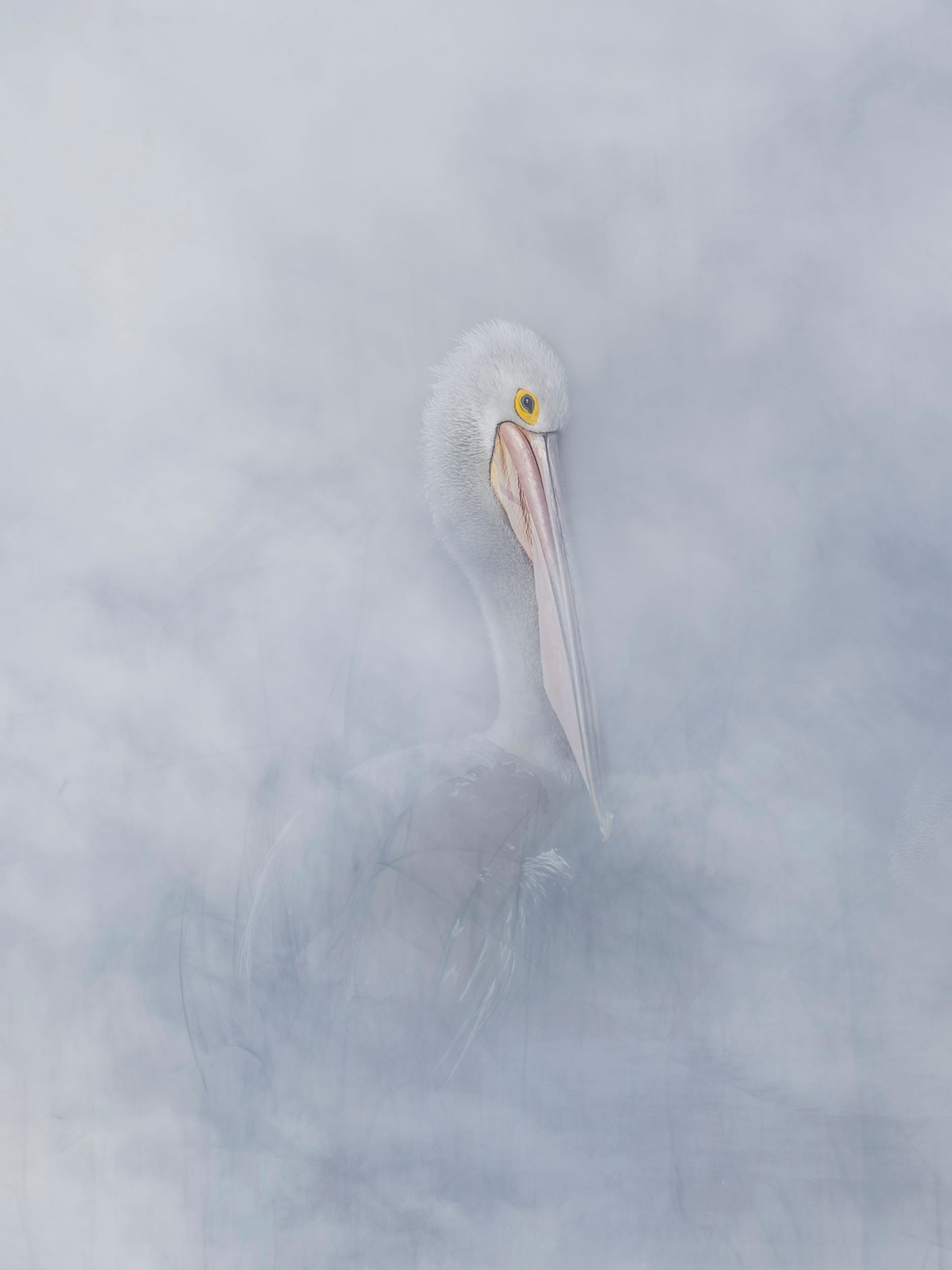
Your images often blur the line between photography and painting. What led you towards that visual approach?
I began my creative career as a painter after completing a Visual Arts degree, majoring in painting and drawing. At the time, I found painting quite isolating post-university and difficult to sustain, both financially and practically, as we were not equipped with the business skills needed once we moved into the real world.
My childhood was also full of strong influences. I moved every year throughout rural South Australia, and I had family members who nurtured my drawing ability and encouraged my love of nature. From a young age, I was taught to really look at the world.
I always felt that my role as an artist, even at school, was to share a way of seeing that other people might not notice. I carried that approach through university and into my creative life. I want people to see the world with fresh eyes, particularly in relation to landscape and nature, and to think more deeply about how we value the natural environment.
That blurring between photography and painting comes from this background. I do not feel bound by strict rules around photography, or by the idea that I must simply document the world. I am much more interested in the creative possibilities that photography can offer. That understanding has evolved over time, especially with changes in technology and the growing ability to edit and shape our work.


