


How can a photograph express not only what we see, but also what we feel? Photography can document the world as it is, or it can express something far less tangible: a memory, an emotion, or the atmosphere of a place. For Italian photographer Helmut Pilò, the camera is not simply a tool for recording reality, but a way of interpreting it. Through intentional camera movement, multiple exposures and a painterly approach to post-processing, his images move beyond representation to explore perception, feeling and the quiet beauty found in nature. In this interview, Helmut reflects on his photographic journey, his evolving creative vision, and why the most meaningful photographs often emerge when we slow down and truly observe the world around us.
When did photography first enter your life?
Photography entered my life in 2016 during my first trip to Iceland.
At the time, I was fascinated by the Northern Lights and by the country’s raw, untamed landscapes. Iceland attracted me because of its striking contrasts, vast open spaces, and the sense of power and constant transformation that nature can convey. Before leaving, I bought a camera with the intention of photographing the Northern Lights. Like many beginners, I believed that having a good camera would be enough to create meaningful images.
Ironically, I never got the chance to see the Northern Lights during that trip. Instead, something far more important happened.
I was deeply moved by the Icelandic landscape. The weather changed constantly, shifting from rain to sunshine, from calm to strong winds, while the light transformed everything within minutes. I photographed everything around me, not because I had any real photographic awareness at the time, but simply because I was amazed by what I was experiencing.
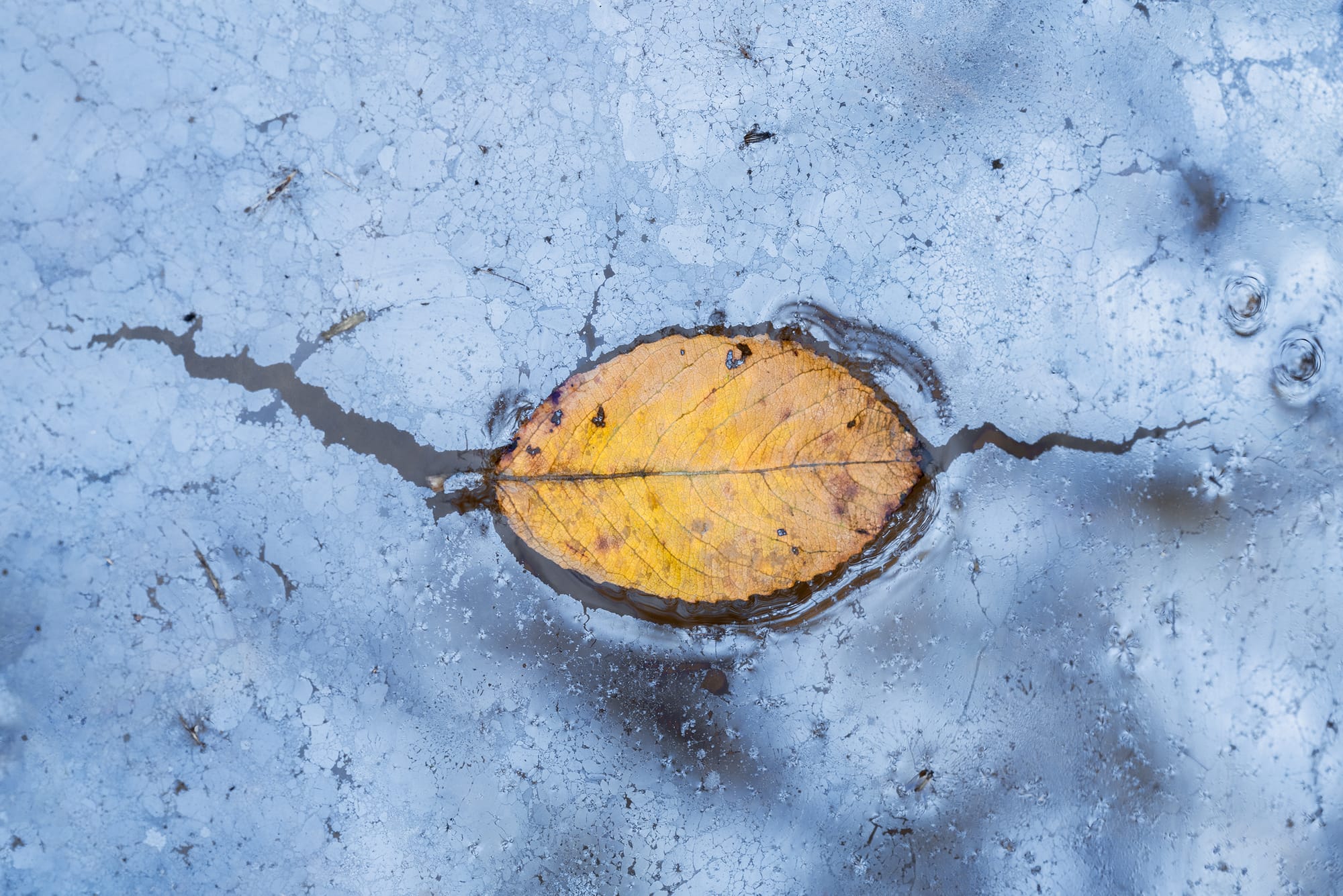
When I returned home, I looked through those photographs. Many were technically imperfect, but that wasn’t the real problem. What troubled me was that they failed to convey what I had felt. They didn’t communicate the power of the landscape or the sense of wonder and emotion the journey had left within me.
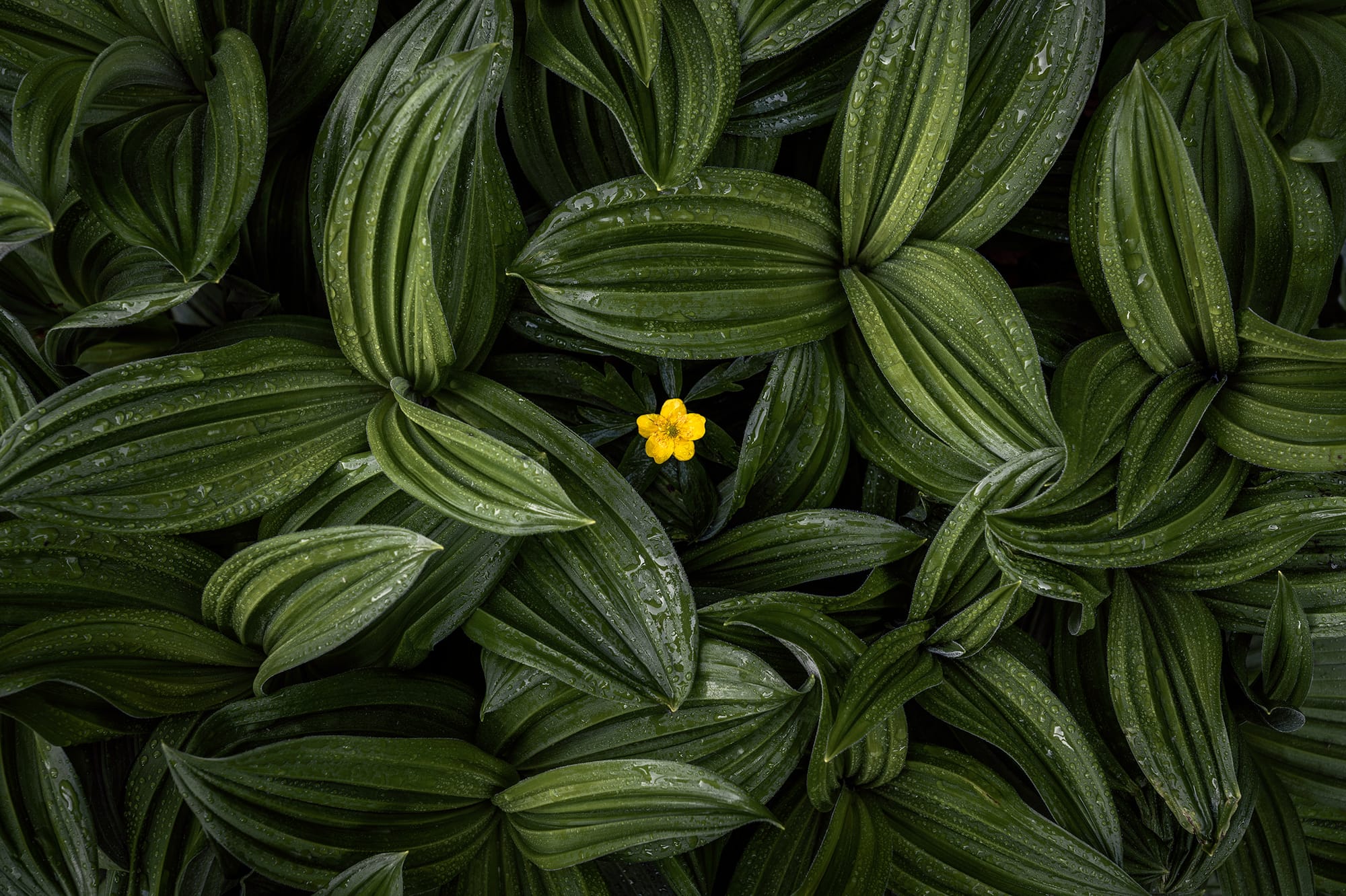
That was when a question first emerged, one that still guides me today: How can a photograph express not only what we see, but also what we feel?
Everything began with that question. Not with a passion for photography itself, but with the desire to give form to an experience.
What drew you towards a more painterly style of photography?
For me, photography is an evolving language, and that evolution is reflected in the blurred boundary between photography and painting.
In the beginning, I was drawn to a more descriptive and controlled approach. Sharpness, compositional precision, and the need to clearly define what stood before me were important reference points. It was a way of seeing that sought stability, almost as if bringing the world into focus also meant understanding it.
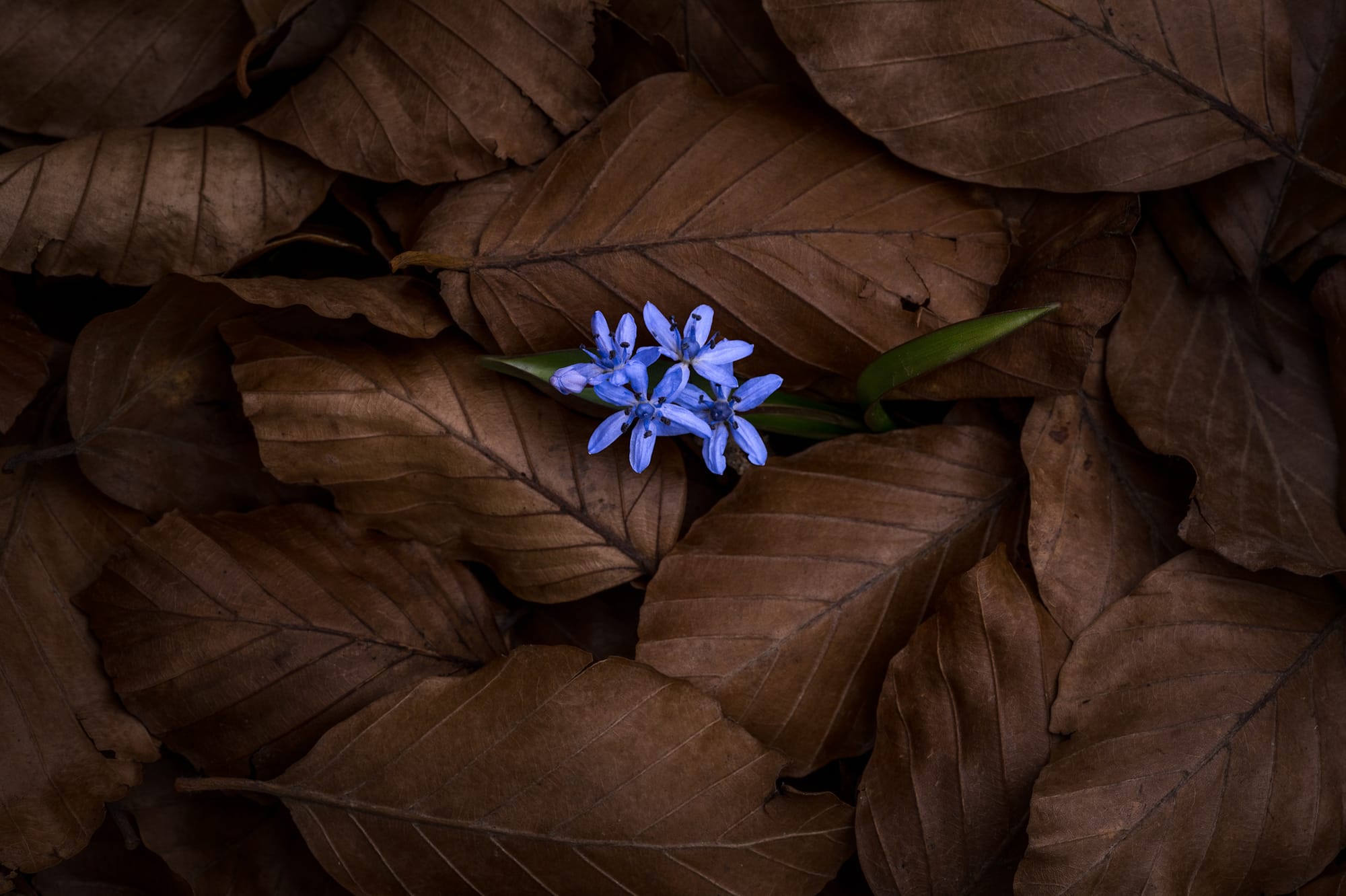
Over time, however, I began to feel that this was no longer enough. Not from a technical perspective, but from a perceptual one. I realised that my experience of nature was never limited to what I could physically see. There was always something more: a feeling, an atmosphere, an emotional dimension that traditional photography could never fully capture.
Gradually, my approach began to shift. Photography ceased to be an exercise in describing what was before me and became a way of interpreting it. I became less interested in what a subject was and more interested in what it made me feel.
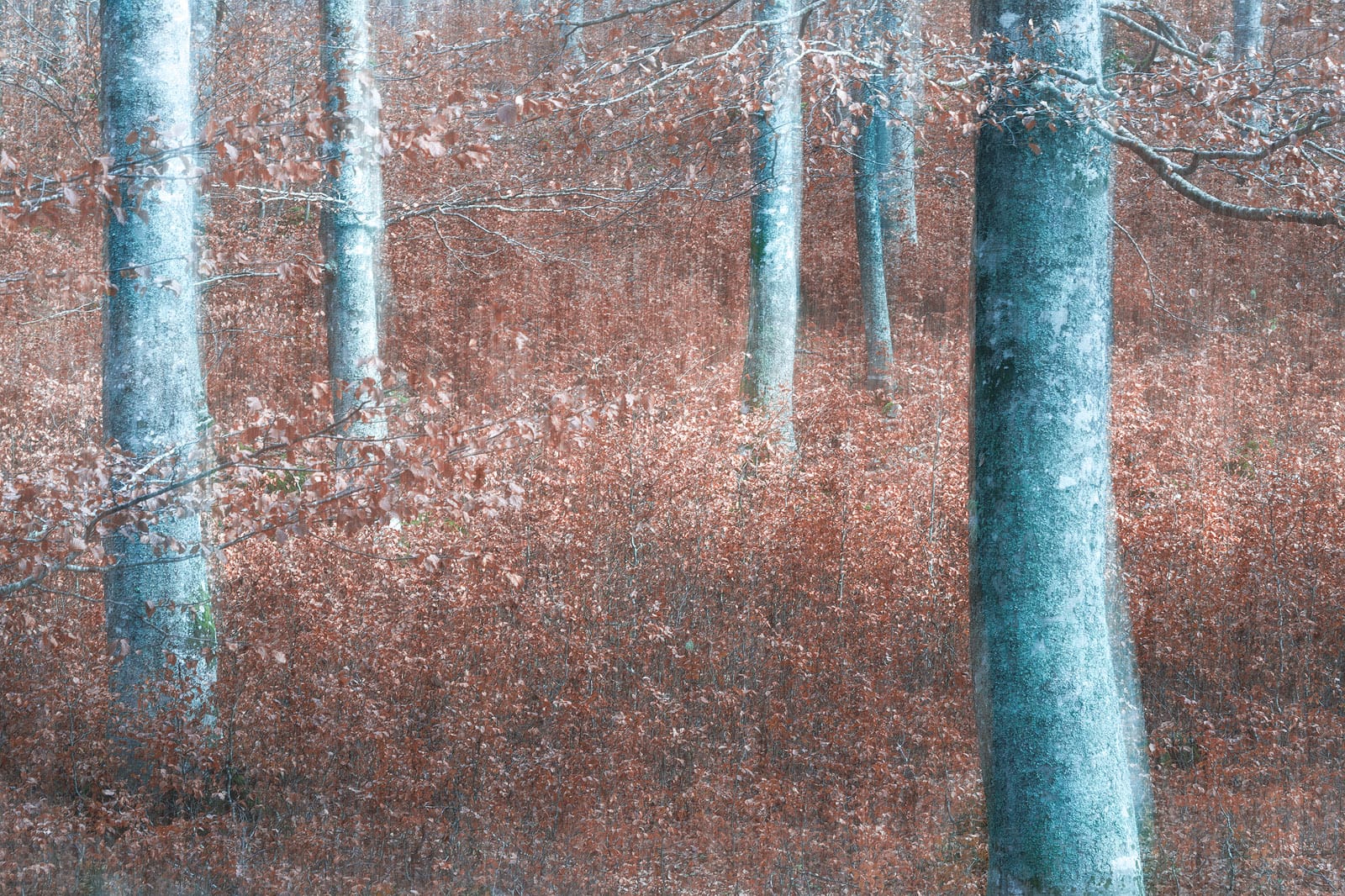
As this shift took place, my visual language evolved as well. Techniques such as intentional camera movement (ICM) and multiple exposures were never about creating effects for their own sake. Instead, they became tools that allowed me to explore ideas of time, movement, memory and perception. Post-processing also became an essential part of the creative process, not to correct an image, but to complete what I had perceived while making it.
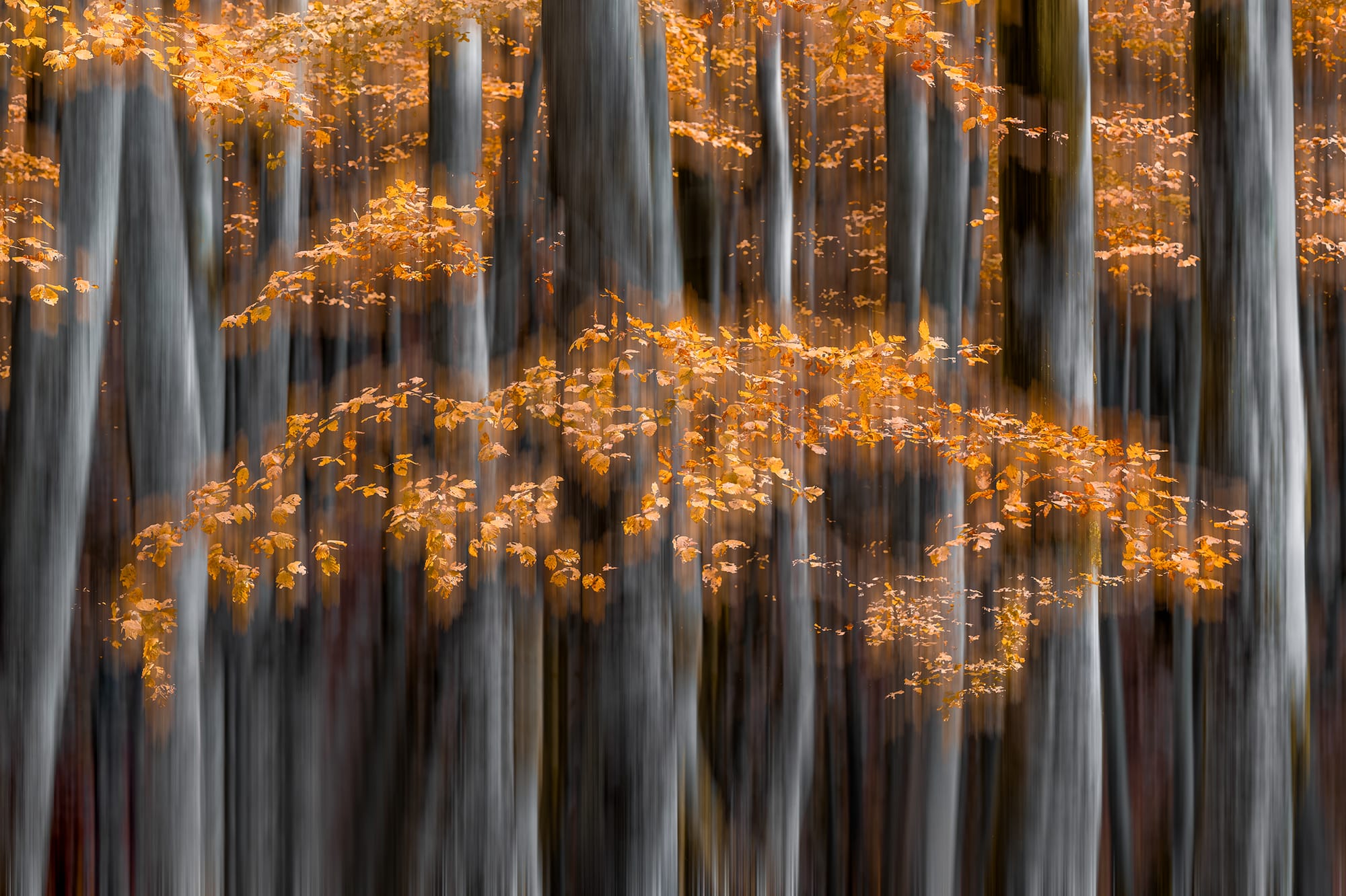
Over time, I also developed a strong connection with painting, particularly the sensibility of Impressionism. Not as a form of imitation, but as a shared way of seeing: an attempt to translate perception rather than objective reality.
In this sense, my work has gradually moved away from representation and towards evocation. My photographs are not created to describe a place, but to convey a feeling, a mood, or something more personal and internal.
At its core, this is what photography has become for me: not a copy of reality, but a language through which I can give form to what reality leaves behind within me.
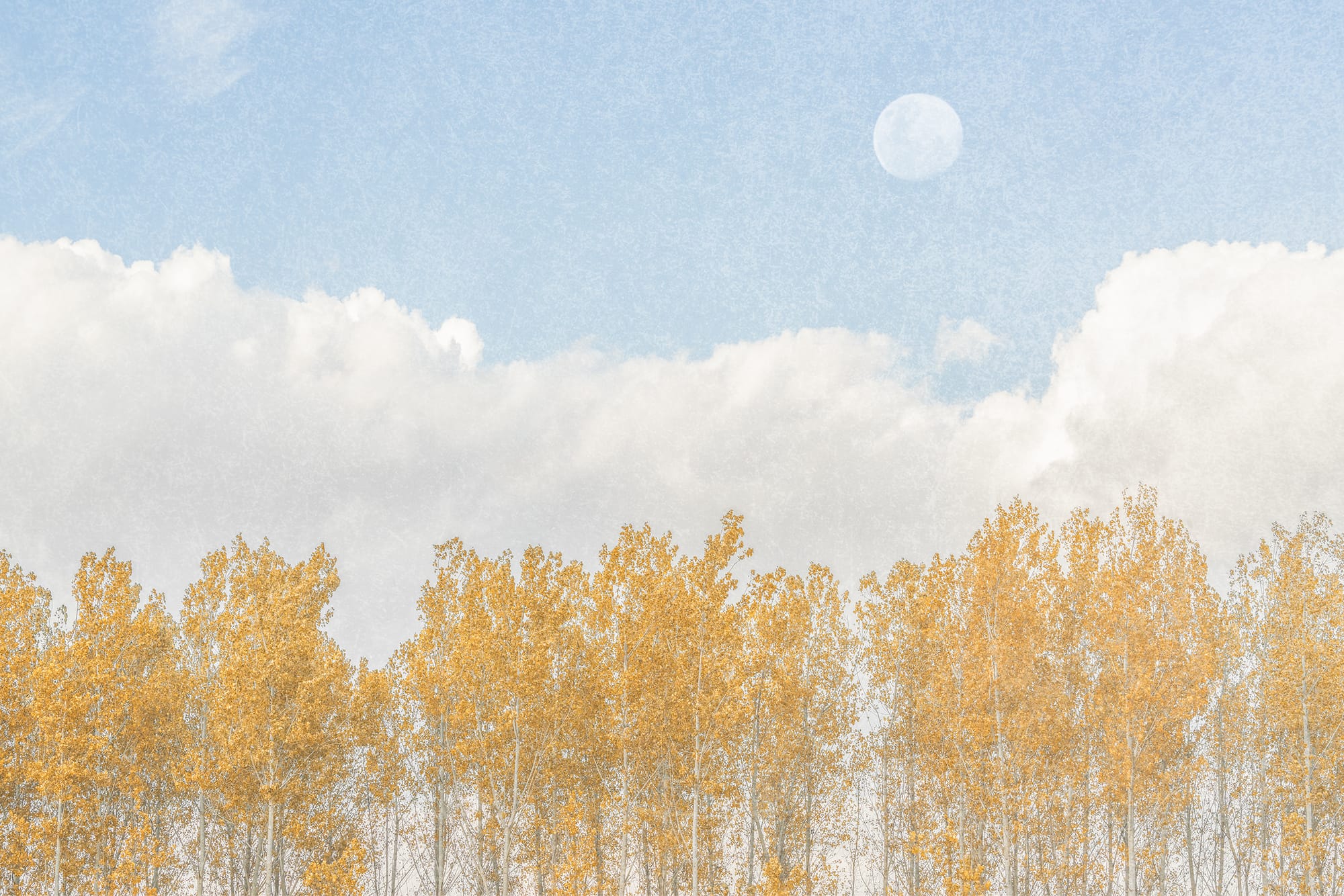
What first captures your attention in a new place?
When I arrive somewhere new, my first response is not visual but perceptual. Before anything else, I look for a sense of connection with the place and its silence. It is a moment when I simply try to enter the space without rushing or feeling an immediate need to make photographs.
Only then do I begin to sense the atmosphere. The light, the air, the way the place feels. These are not things I analyse straight away. They emerge gradually as I allow myself time to listen to the place.
As the minutes pass, everything becomes clearer. I begin to observe more consciously, looking around without searching for anything specific. It is often at this point that the place truly begins to reveal itself.
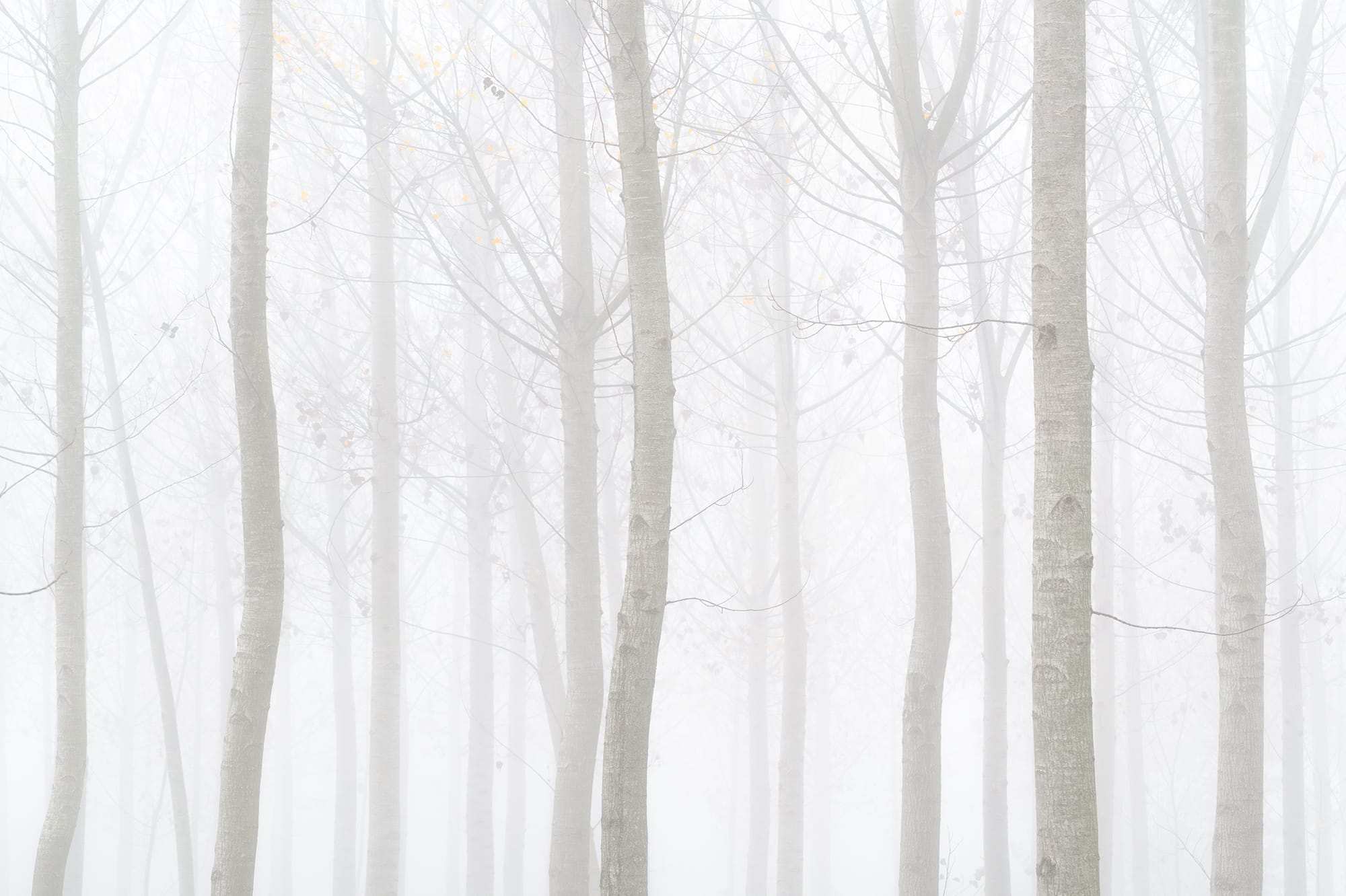
This is usually when I notice the subtle changes: the movement of leaves, the wind, clouds reshaping the light, or water continuously transforming the scene. These are not elements I actively seek. They reveal themselves when I remain still long enough to notice them.
For me, photography is born through this process. Not in the first glance, but in the time a place needs to reveal itself.
Which three photographs in your portfolio mean the most to you?
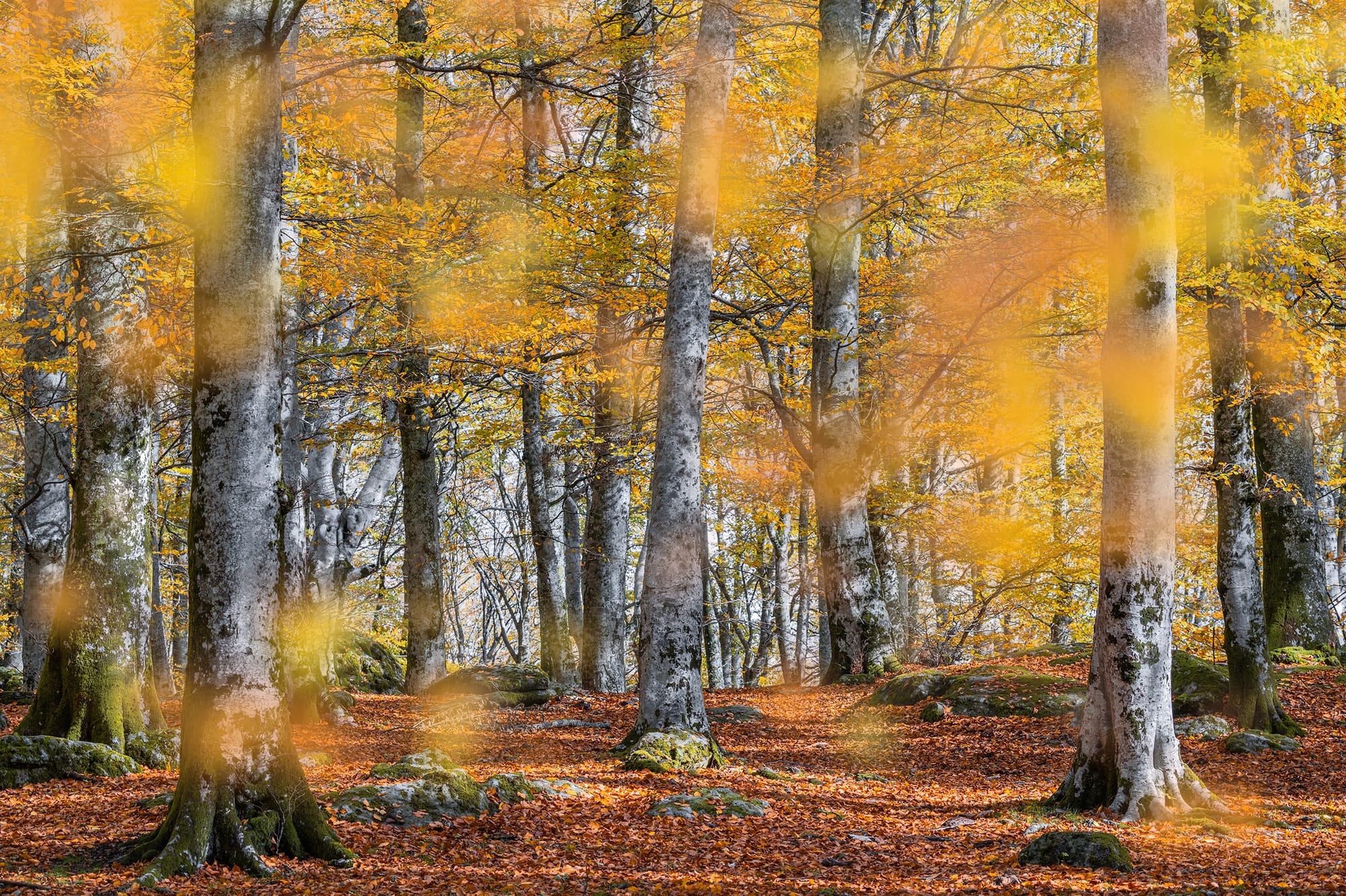
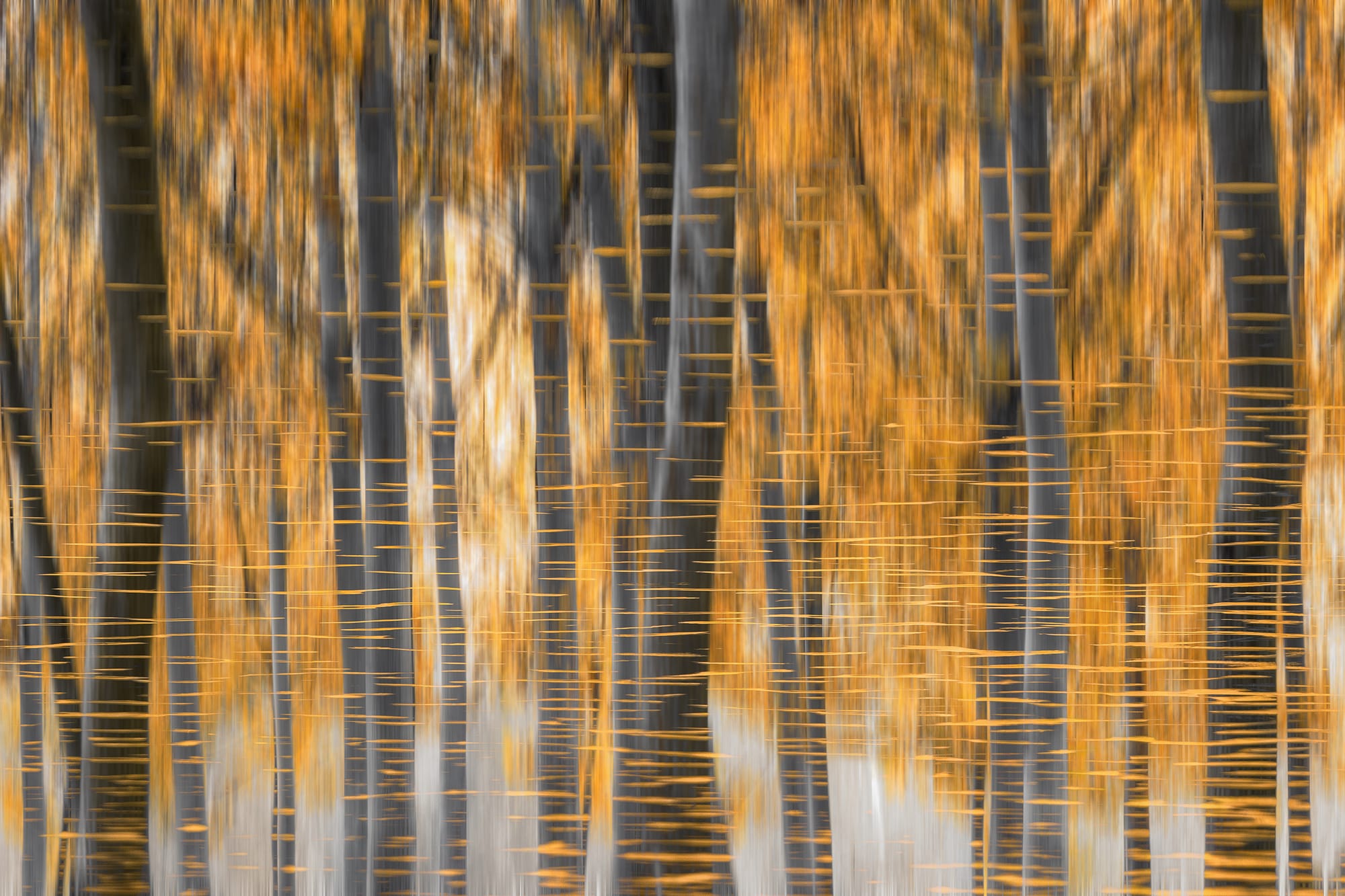
Beyond form
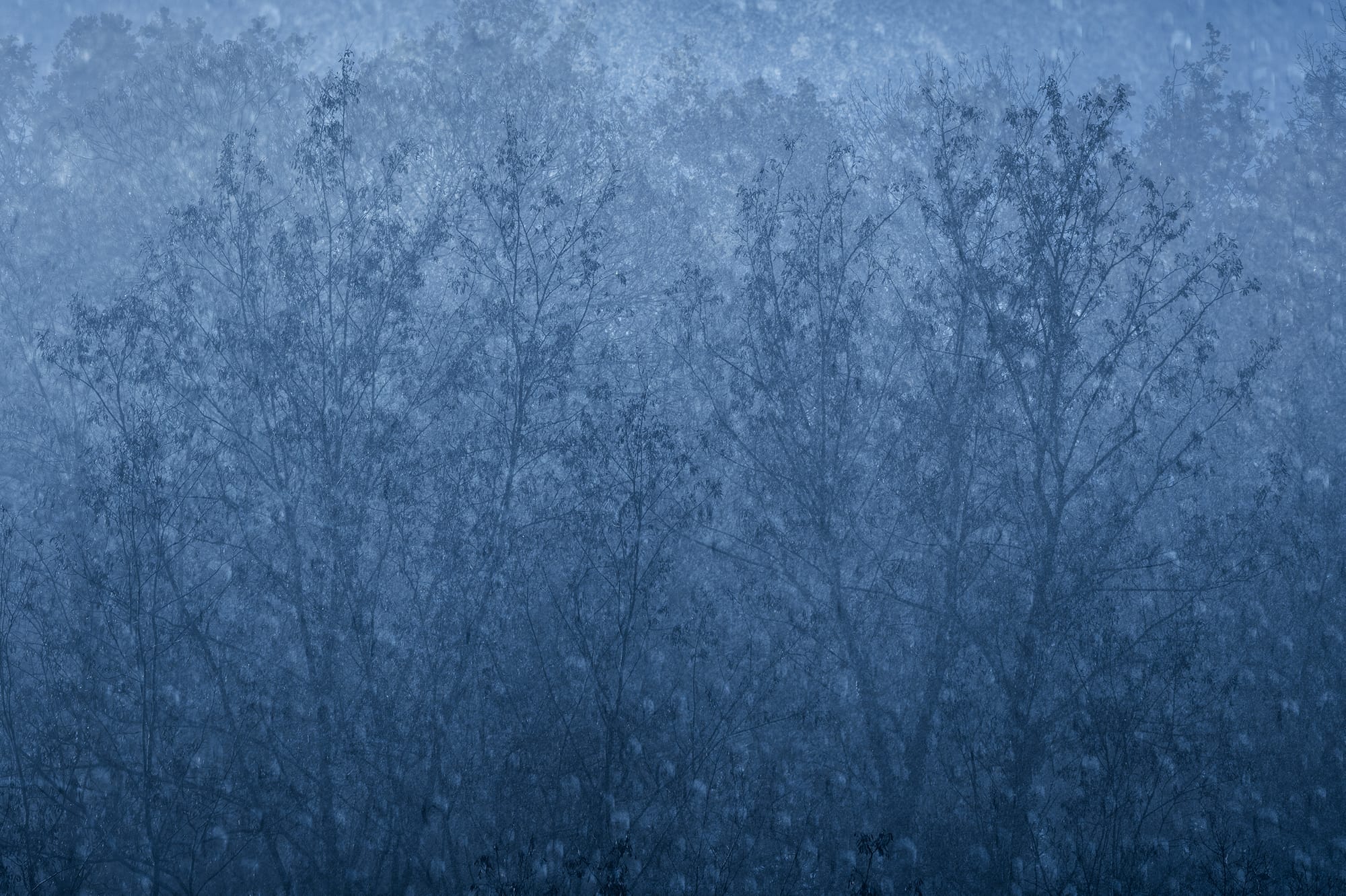
This photograph represents an important turning point in my journey because it marks the moment when I began moving away from the idea of photography as a simple description of reality.
The image was created using intentional camera movement, a technique I use not to create an effect, but to transform what I see into something closer to what I feel. At that stage, I was searching for a more personal visual language and felt the need to move beyond the literal representation of the landscape.
What fascinated me was no longer the subject itself, but the possibility of evoking an atmosphere or a sensation. The shapes of the trees, the colours, and the movement merged into an image that speaks more about perception than reality.
For this reason, I consider it an important photograph. It was one of the first images in which I felt I had truly found my own photographic voice. It helped me understand that photography could become a space for interpretation rather than simply observation.
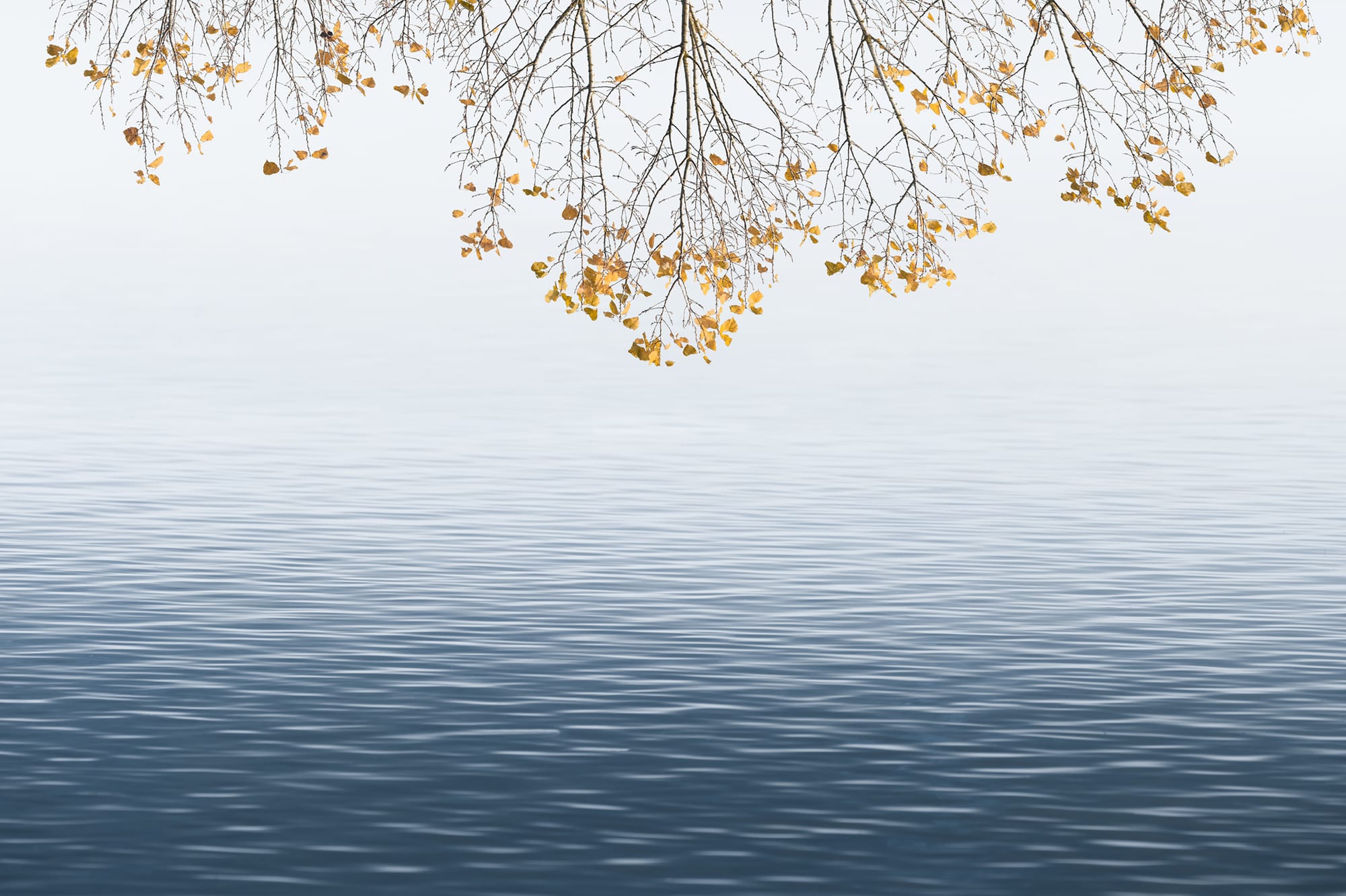
When an idea takes shape
This photograph is particularly meaningful because it began as an idea long before it became an image.
For a long time, I had been reflecting on how to move beyond the straightforward representation of nature and create photographs that reflected my own interpretation of the landscape. When I encountered this forest reflected on the surface of the water, I immediately sensed an opportunity to give shape to that idea.
What drew me in was the dialogue between the vertical lines of the trees and the gentle movement of the lake. Reality remained recognisable, yet at the same time it was already transforming into something more fluid, almost painterly.
What makes this image important to me is not the technical result, but the creative process behind it. It represents the moment I realised that a photograph can begin long before the shutter is pressed. It can first exist as an intuition, an inner vision, and only later find its form within the landscape.
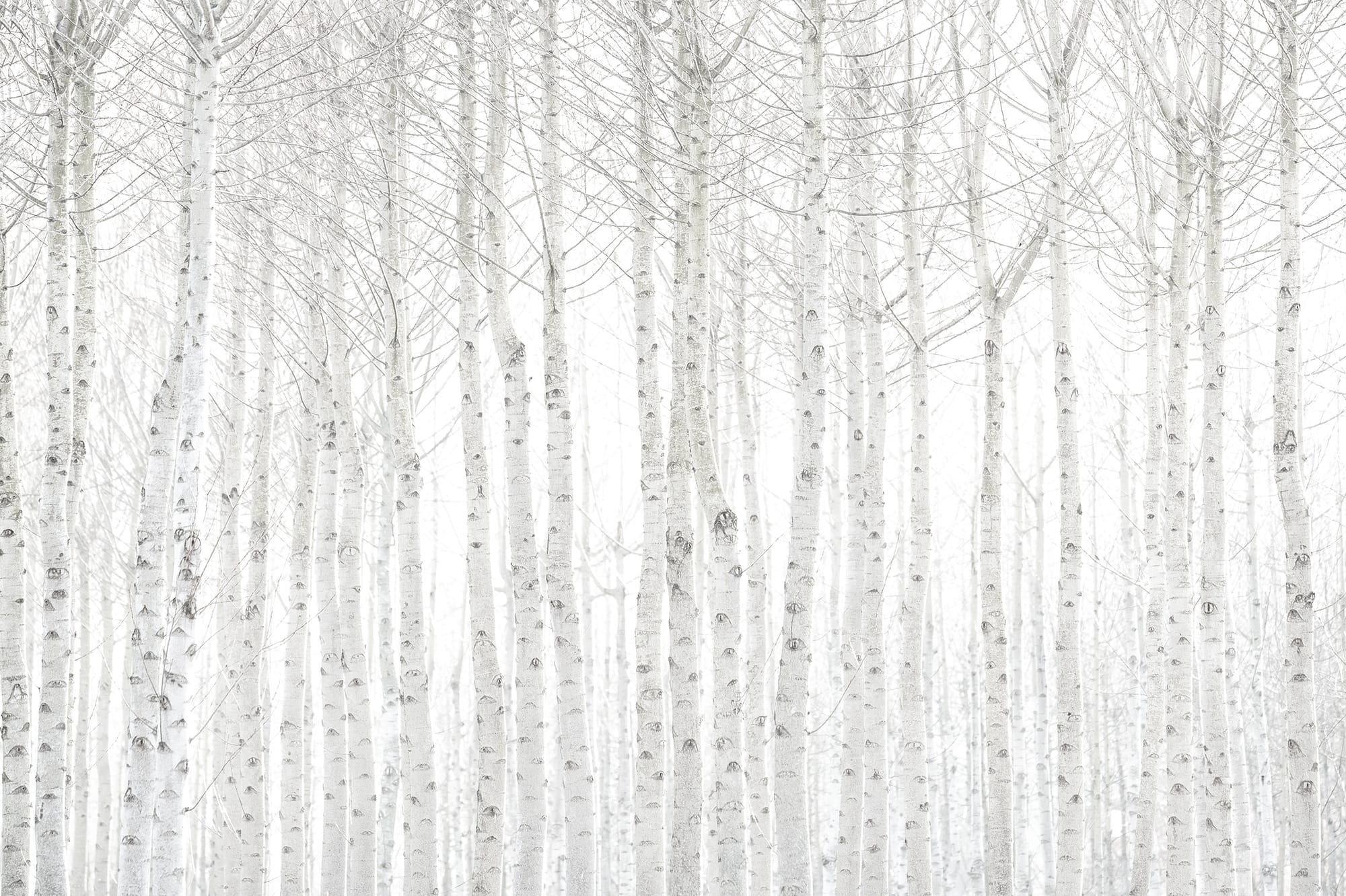
Creating from imperfection
This photograph is connected to a lesson that has become fundamental to my photographic journey.
The conditions that day were very different from what I had hoped for. The light was not what I had imagined, and the lake offered none of the reflections that would normally have drawn my attention. In the past, I would probably have considered the situation disappointing.
Instead, I chose to stay. I continued observing without trying to force the scene into the image I had originally envisioned.
Gradually, I began to appreciate what was actually there: the mist dissolving the horizon, the branch suspended above the water, and the delicate rhythm of ripples moving across the lake. Elements that had initially seemed secondary became the very heart of the photograph.
For that reason, this image remains particularly important to me. It taught me that creativity does not always emerge from perfect conditions. More often, it comes from our willingness to embrace what is truly present. Sometimes the most meaningful photographs are not the ones we imagined beforehand, but the ones that allow us to see something we were not yet ready to notice.
How do your photographs usually begin?
When I photograph, I rarely begin with a fully formed image already in my mind. More often, I carry with me an intuition, a feeling, or a general direction that I would like to explore.
Over time, I have learned that expectations can be helpful, but they can also limit the way we see. When I try to impose a precise idea onto reality, I often end up missing what is actually unfolding in front of me.
For this reason, my approach has become increasingly open. I enjoy walking, observing, and allowing a place to reveal itself gradually. Sometimes an image appears almost immediately; at other times it requires patience, attention, and time. A subtle shift in light, a movement of the wind, or an unexpected change in the weather can completely transform a scene.
Some of the photographs I feel most connected to were created in exactly this way, through the meeting of an initial intuition and something I could never have anticipated. Photography is at its most fascinating when it becomes an encounter between what we carry within us and what the world offers us.
Ultimately, I am less interested in controlling an image than in listening to it as it takes shape. When that happens, photography becomes more than a simple record of reality; it becomes a process of discovery.
What do you hope viewers take away from your photographs?
When someone looks at one of my photographs, the first thing I hope is that they pause.
Only when we slow down can we truly enter a photograph. And only then can we begin to feel something - an emotion, a sensation, or a particular state of mind.
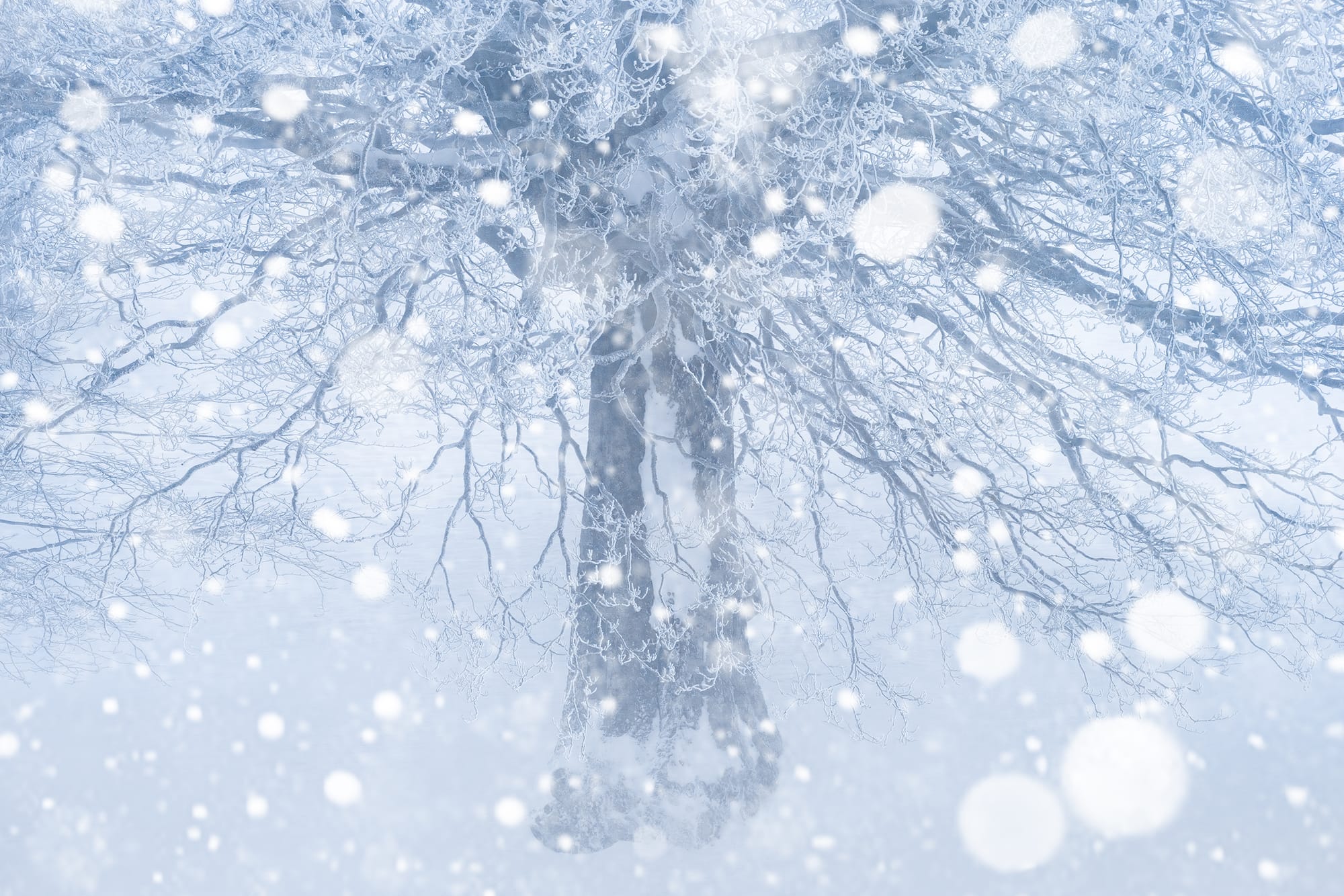
I hope viewers experience at least a small part of what I felt while standing in that place. Sometimes it is silence, sometimes calm, and at other times a subtle sense of melancholy or uncertainty. These are not always clearly defined emotions, but rather feelings that linger beneath the surface.
In a way, I am comfortable with viewers getting lost within an image. I am not interested in everything being immediately obvious or easily understood. What matters is whether the photograph creates some form of resonance, however subtle.
If a photograph can make someone pause and leave them with even the faintest feeling, then I believe it has fulfilled its purpose.
Has photography changed the way you see the world?
I believe it has. At least, it certainly has for me.
Before photography became part of my life, I tended to experience nature in a more general way. I saw landscapes as a whole, but many details passed unnoticed. Over time, photography taught me to slow down and pay closer attention.
I began noticing things that had previously escaped me: the way light filters through a leaf, the patterns formed by tree branches, reflections on water, the textures of bark, or the subtle shifts in colour that accompany the changing seasons. They are simple details, yet they often possess remarkable expressive power.
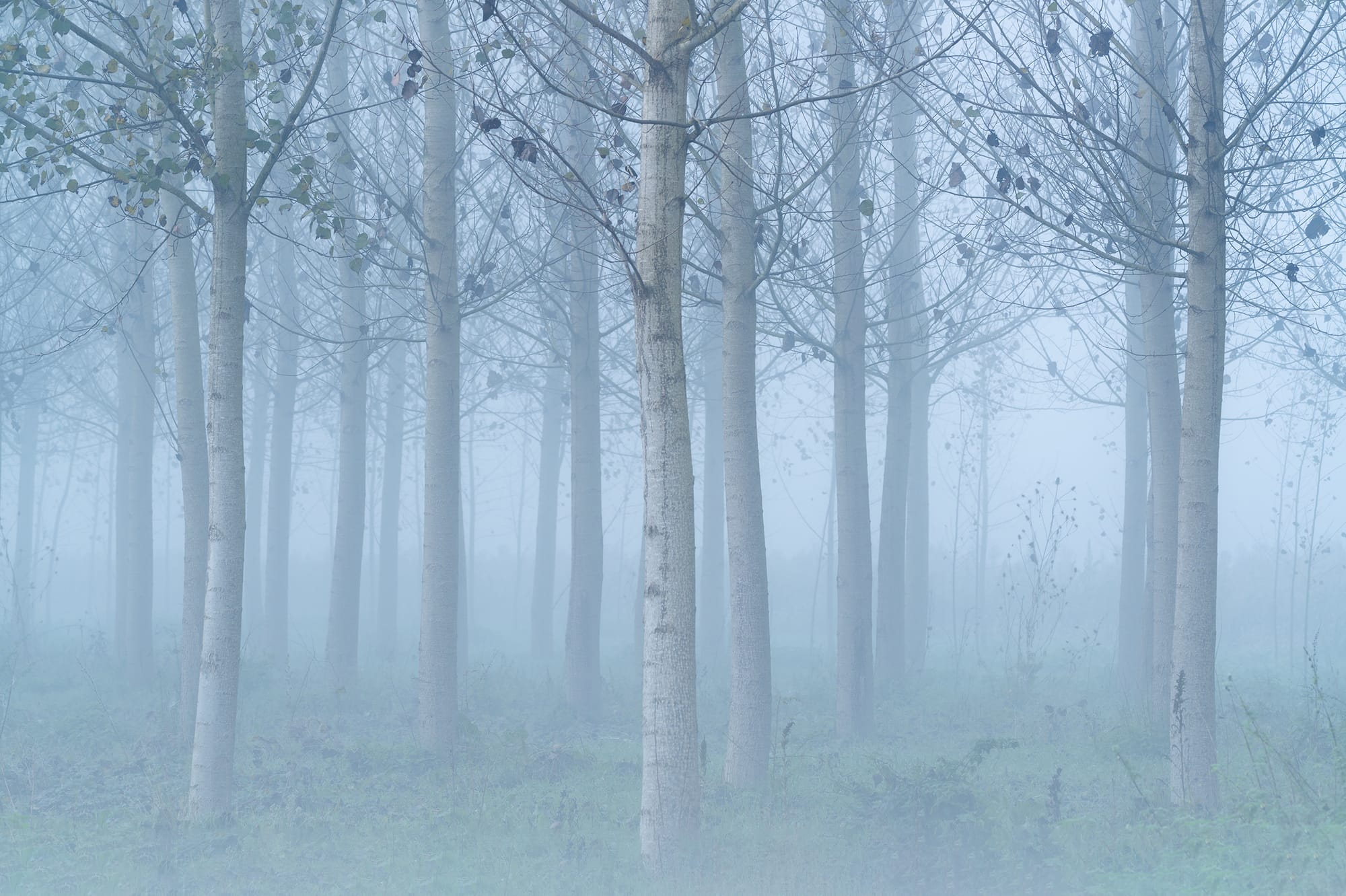
One of the most significant changes in my photographic journey came during the pandemic. Unable to travel as I once did, I started photographing places close to home. It was then that I realised beauty does not necessarily depend on spectacular scenery or distant destinations. More often, it can be found in ordinary places when we learn to look at them differently.
I believe this is one of photography’s greatest gifts: it teaches us to pay attention. It encourages us to pause in a world that is constantly accelerating and discover something that has always been there, but that we had never truly noticed.
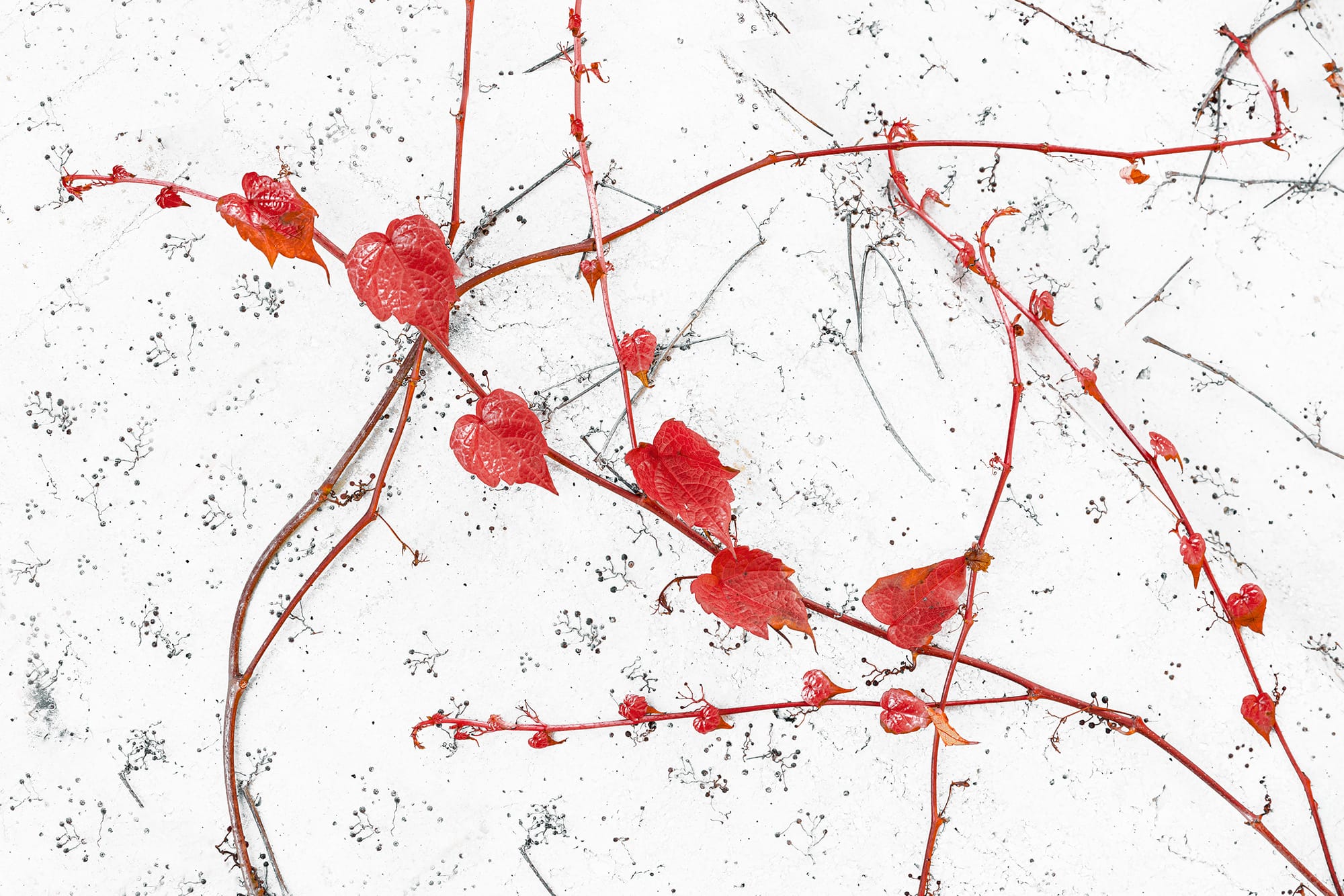
Abstract and minimalist photography can deepen this process even further. By removing many familiar points of reference, it invites the viewer to move beyond the subject itself and focus on form, light, colour, and the emotions an image can evoke.
For that reason, I do not think photography changes the world around us. Rather, it changes the way we choose to see it.
How do you balance creative editing with staying true to the original moment?
For me, post-processing is a natural part of the creative process. I do not see it as something that happens after photography, but as a stage that helps complete the image.
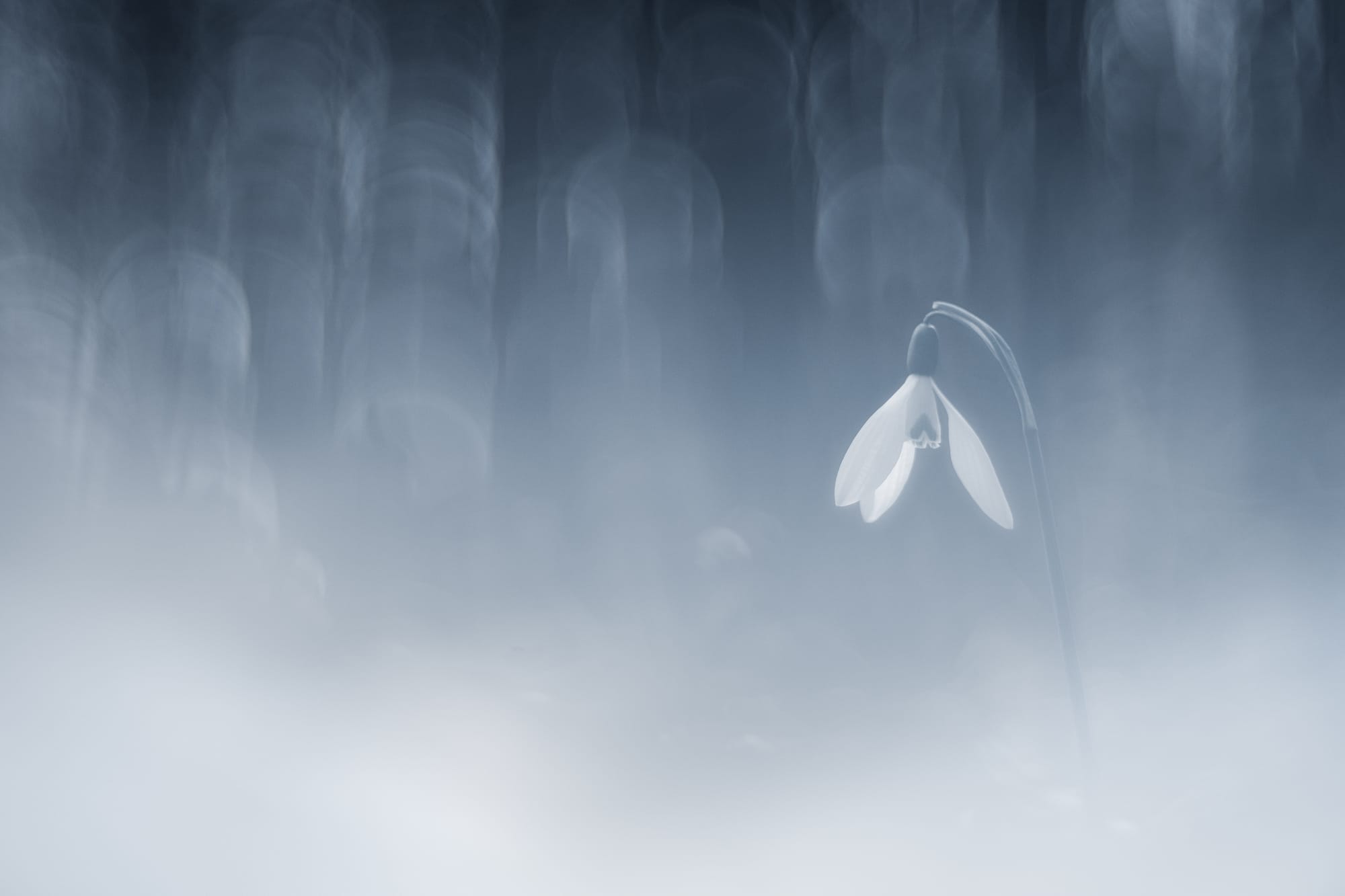
When I photograph, what moves me is not only what I see, but also what I feel in that moment: the atmosphere, the silence, the quality of light, and the emotions a place can evoke. The raw photograph is an important starting point, but it does not always fully convey that experience.
For this reason, I use post-processing as an interpretative tool. I am not trying to correct reality or transform it into something it was not. Instead, I aim to bring the image closer to the feeling I experienced when I created it. Colour, light, contrast, and tone become tools for giving shape to that perception.
For me, the balance lies precisely there - not in being literally faithful to what the camera recorded, but in remaining faithful to the experience itself. I want the final image to maintain an authentic connection with the place and the moment in which it was created, while still leaving room for interpretation and personal expression.
Sometimes an image feels complete immediately; at other times it requires distance and reflection. I often leave photographs untouched for days or even weeks before returning to them.
In many ways, editing demands the same qualities of attention that I seek in the field: patience, openness, and the ability to recognise when an image is complete.
What advice would you give photographers exploring abstract or minimalist photography?
The most important advice I can offer is to learn how to observe before anything else.
People often assume that abstract, expressive, or minimalist photography is primarily about technique, but I believe it begins much earlier - with the way we look at the world.
This shift in perspective began shortly after the lockdown. Once restrictions were lifted and travelling was no longer possible in the way it had been before, I began photographing places close to home. That was when I realised that beauty does not necessarily depend on spectacular landscapes or distant destinations. Light filtering through leaves, reflections on water, the rhythm of tree trunks in a forest, or subtle variations in colour can become extraordinary if we learn to see them with greater awareness.
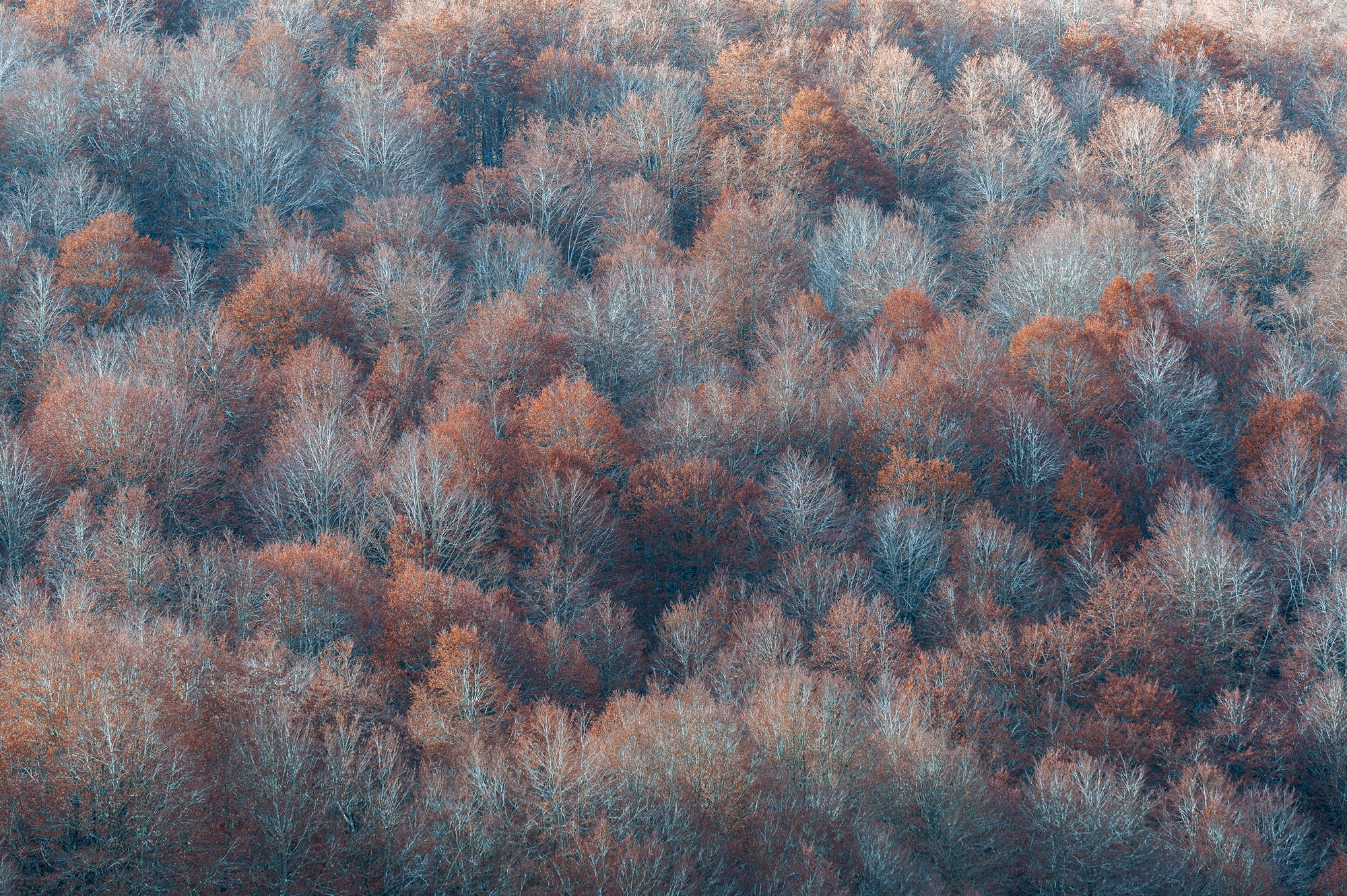
I would also encourage photographers not to be afraid of experimentation. Techniques such as intentional camera movement, multiple exposures, or the use of vintage lenses can help us see nature differently. Personally, I am fascinated by the way certain vintage lenses render light and out-of-focus areas, creating atmospheres that move beyond purely descriptive representation. But technique alone is never enough. It only becomes meaningful when it helps express something personal.
Another important lesson is learning to embrace uncertainty. Some of the photographs I value most emerged when I let go of expectations and allowed space for the unexpected. Not everything needs to be perfectly defined or immediately understood. Sometimes it is ambiguity and openness to interpretation that make an image more engaging.
Finally, I believe it is more important to seek a personal voice than a particular style. Style may change over time, whereas an authentic vision grows through experience, sensitivity, and the unique way each of us relates to the world. The photographs I remember most are not necessarily those that are technically perfect, but those in which I sense something genuine and deeply personal.
For that reason, my advice is simple: slow down, observe, and give yourself permission to explore. Very often, the most interesting images lie just beyond what we are accustomed to seeing.
How do you see AI influencing photography and visual storytelling?
I believe artificial intelligence will continue to play an increasingly important role in both photography and the creative industries. It offers powerful tools that can be extremely useful, particularly in professional contexts where speed and efficiency are essential. It will likely simplify many processes while also opening new creative possibilities.
Personally, however, I am not especially drawn to AI-generated images. I have never used them in my own photographic practice and, at least for now, my interest remains rooted in the direct experience of photography itself.
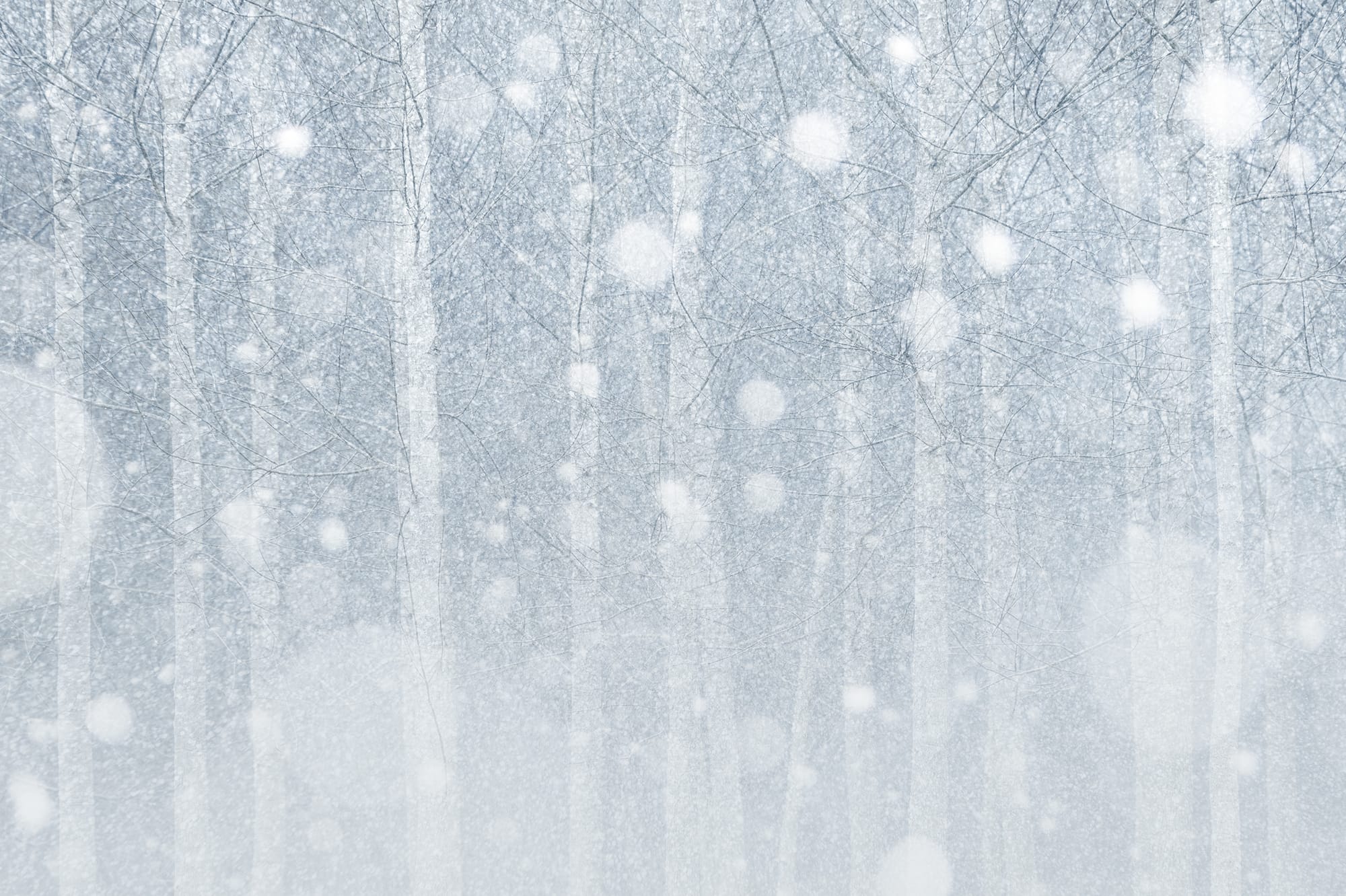
For me, an essential part of the process is being out in the field - walking through nature, observing, waiting, and responding to the light, the weather, and all the unpredictable elements that shape a photographic experience. Many of the images I value most are meaningful not only because of the final result, but because of the journey that led to them. They contain anticipation, uncertainty, emotion, and a relationship with a particular place. To me, these elements are inseparable from photography.
I believe AI-generated imagery and photography can coexist, but I also think it is important to recognise the distinction between them. A photograph emerges from an encounter between a person and a real moment in time. An AI-generated image emerges through a different process and represents, in my view, a different form of visual expression.
For that reason, I do not see artificial intelligence as a threat, but as a new visual language that will continue to evolve. Photography, however, remains deeply connected to lived experience, observation, and a direct relationship with the world around us. It is precisely that experience that continues to make photography so meaningful to me.


