


Three years ago, Captivating Photography Journal began with a simple idea. To explore what makes a photograph truly captivating. Not just technically strong, but meaningful. Emotional. Memorable.
Since then, the journey has grown far beyond what we first imagined.
Across 18 issues, we have published hundreds of interviews and articles, each one carefully curated to bring forward the voices, processes, and perspectives of photographers from around the world. Alongside these, countless photographs have been shared. Work from our community, from young photographers taking their first steps, from competitions, challenges, and spontaneous submissions. Each image adding to a living, evolving collection of visual stories.
What stands out most is not just the volume of work, but its diversity. Different styles. Different cultures. Different ways of seeing. Yet all connected by one thing: the intent to create something that resonates.
Reaching this three-year mark felt like a moment worth pausing for.
Instead of looking forward, we chose to look back.
For this special feature, we revisited all 18 issues and selected what we believe to be some of the most powerful quotes shared over the years. Words that stayed with us. Ideas that shaped how we think about photography. Reflections that go beyond technique and speak to why we create in the first place.
Paired with each quote is a photograph from the original issue. Not just as an illustration, but as part of the conversation. Each image carries its own context, its own story, its own moment in time. You will also find the issue number alongside every photo, so you can return to the full piece and experience it again in its original form.
This is more than a retrospective.
It is a reminder.
A reminder of how much there is to learn from each other. How photography continues to evolve through shared ideas. And how a single image, or a single sentence, can shift the way we see.
We hope that in the following pages you will find something that stays with you. Something that sparks a new way of thinking, or simply brings you back to why you picked up a camera in the first place.
Take your time with it.
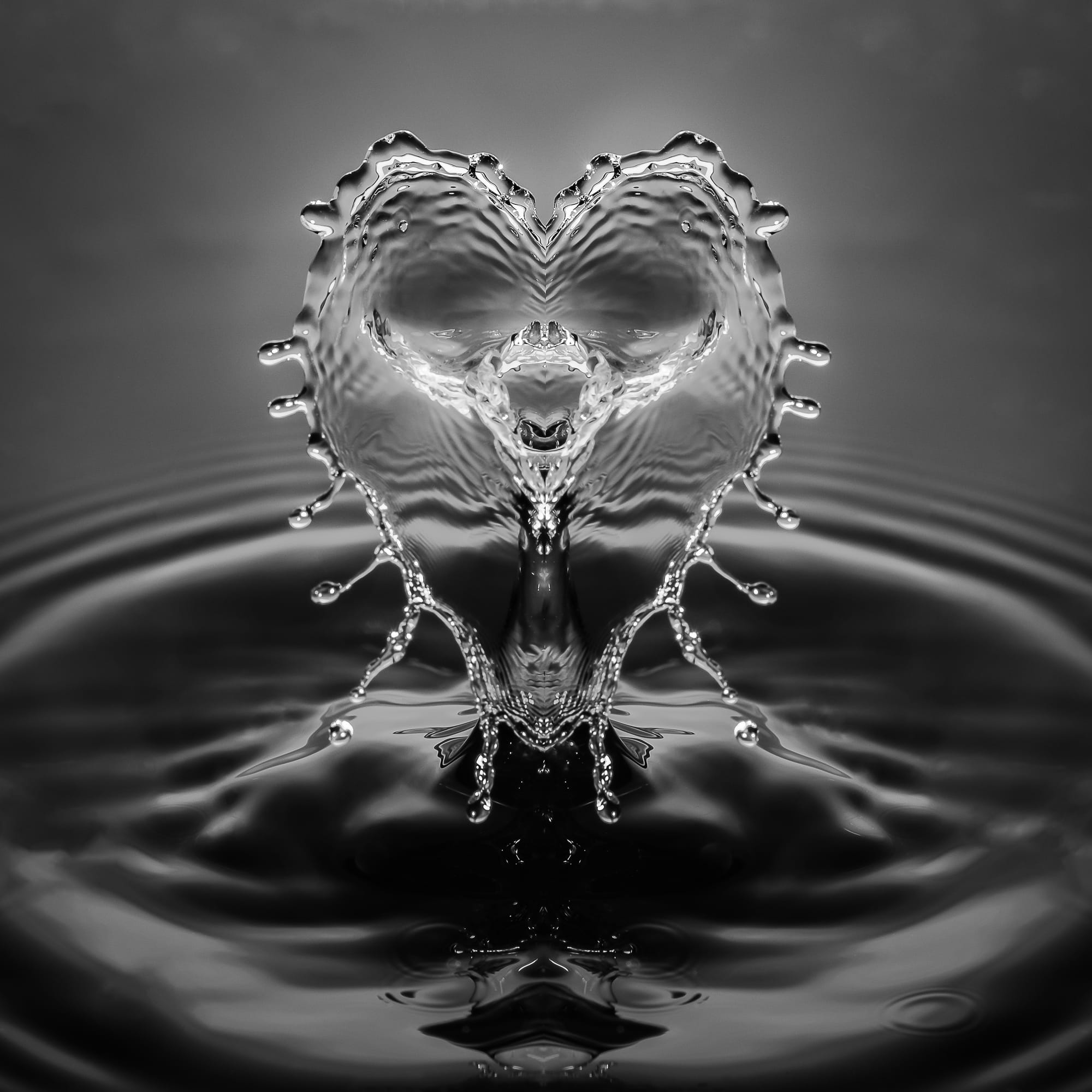
“In creative photography, the goal is to showcase a perspective or scene that goes beyond everyday experiences, unveiling a hidden message or a distinctive viewpoint. This genre invites the audience to engage with the photo on a deeper level. By capturing unconventional angles, highlighting overlooked details, or utilising innovative techniques, the photographer strives to evoke a sense of wonder and curiosity in those who encounter their work. This artistic philosophy encourages continuous growth and experimentation, fostering a dynamic relationship between the photographer and the viewer as they explore the world together through the lens of the camera.”
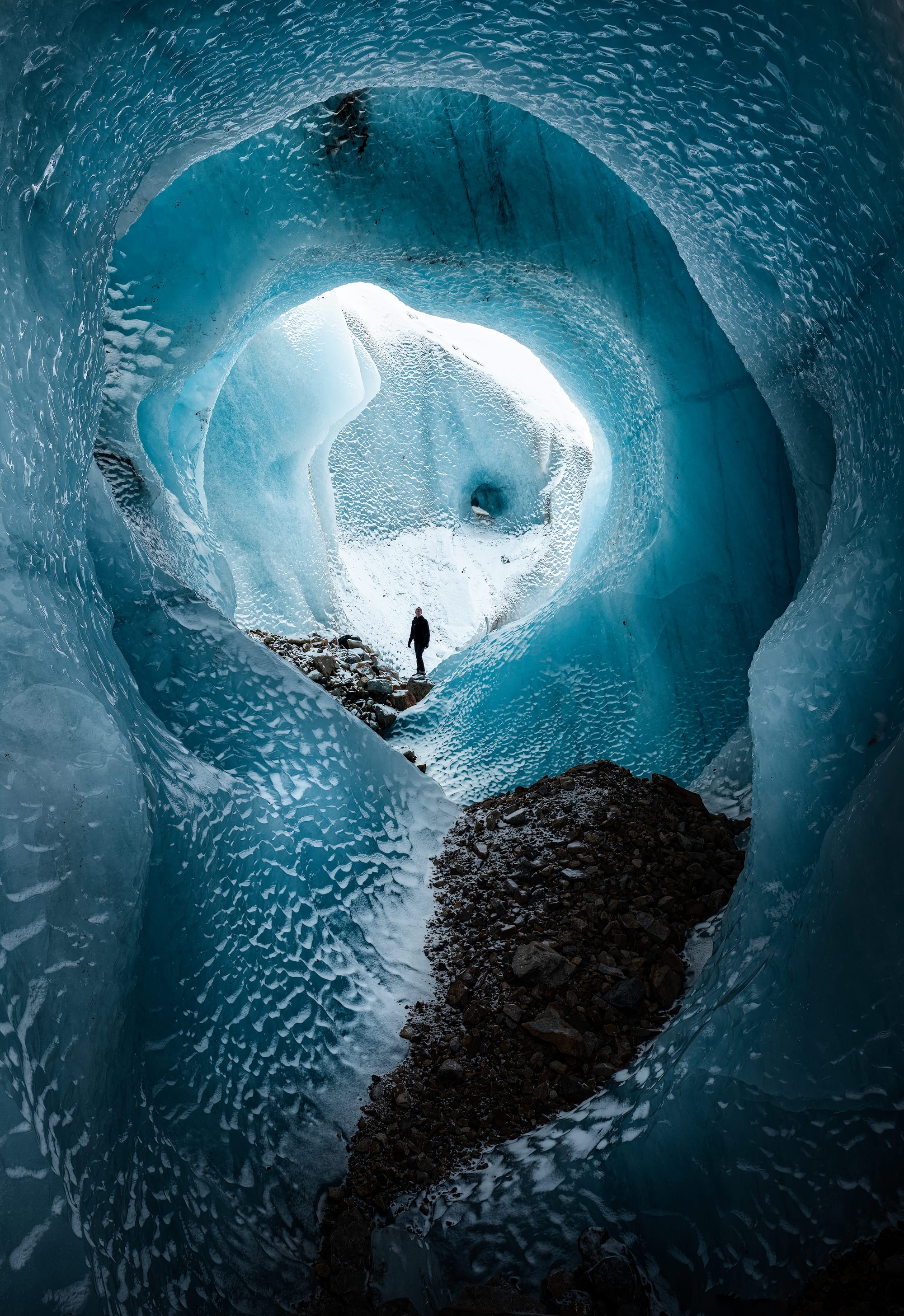
“Someone once told me you’re only as good as your last photo. This was meant to warn me that people have short memories for great images, and when you post a mediocre one, they judge you harshly for it. When you build up some sort of online following, you constantly feel like you have to improve, and with that pressure, it’s all too easy to push your editing too far.
Without social media, you’re free to do what you want. You don’t have to adhere to any particular style. You can shoot what you want, when you want, as regularly or as infrequently as you like.
I know when I’ve taken a great shot, and I feel I don’t need external approval. I might only get one great shot a year, but that’s more than enough for me.”
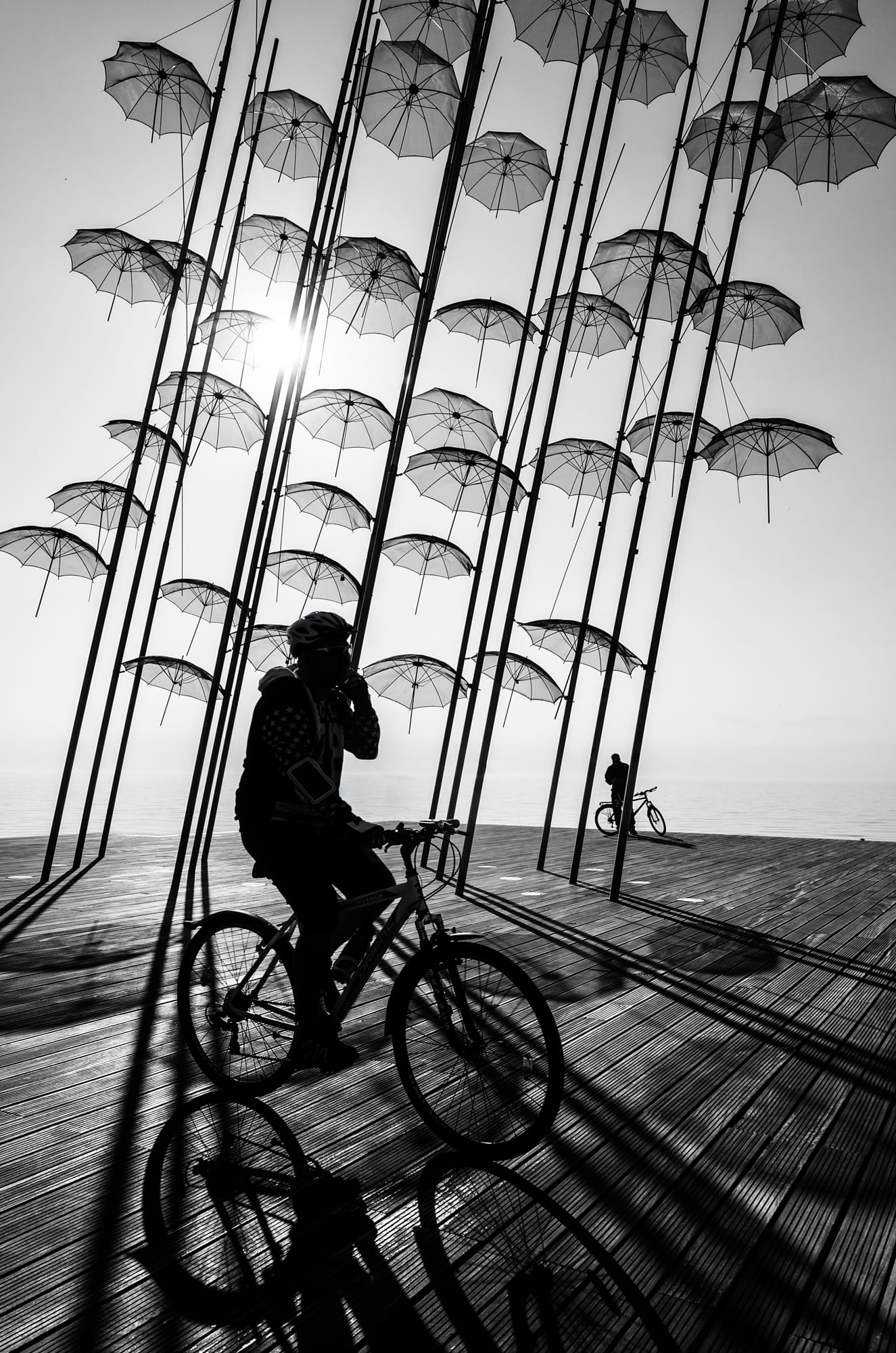
“Reality is perceptual, and through its transformation, I interpret what surrounds me, express my emotions, and create a new world. This process gives me total freedom, allowing me to build an image that does not necessarily exist in the outside world but exists in my mind and soul. I am constantly on the lookout for elements that convey timelessness, simplicity, and sometimes mystery. Water, used as a blank canvas, allows me to create harmony and achieve the minimalist look I am after.
I strive to convey feelings through my work, which requires very fine tuning of tones to achieve the right atmosphere for each image. It is not necessarily the actual atmosphere of the place, but the mood the landscape evokes in me. Discovering photography is one of the things I am most grateful for, despite the challenges, such as waking up at unearthly hours, getting soaked to the bone, or losing equipment on windy cliffs around the world.
I do not believe that the artist and the viewer share the same interpretation of a piece of art, as this is shaped by each person’s associations and memories. The artist encodes a message or feeling in the work, grounded in personal references, while the viewer’s own experiences and memories play a key role in how that message is interpreted. At the same time, I want my art to transfer a part of myself and the emotions I experienced when taking a photograph to the viewer. If I succeed in conveying feelings of vastness, immensity, space, quietness, peacefulness, and a sense of wonder about the beauty of life and nature, then I have successfully communicated my inner world to someone else.”
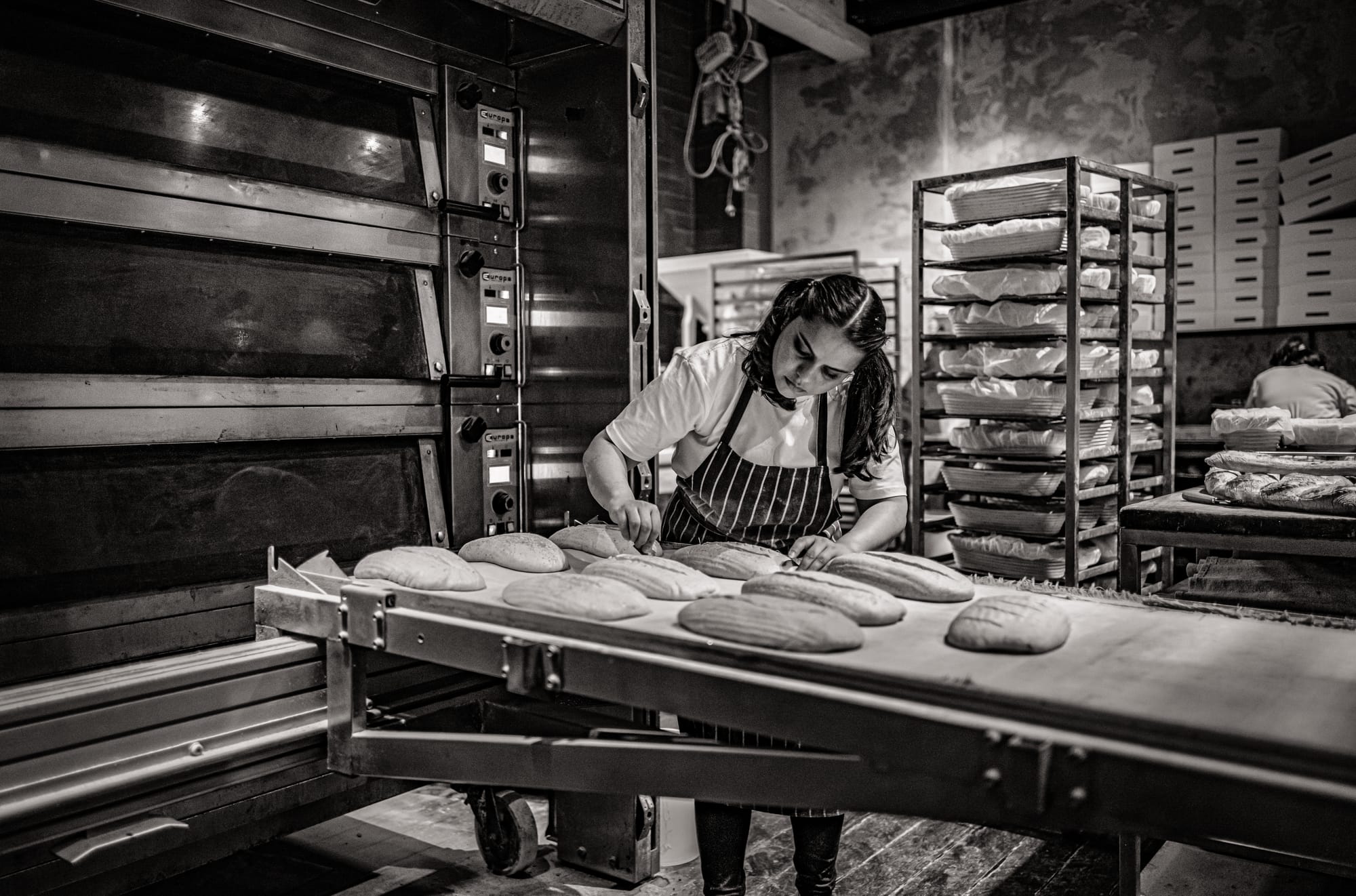
“In creative photography, the goal is to showcase a perspective or scene that goes beyond everyday experiences, unveiling a hidden message or a distinctive viewpoint. This genre invites the audience to engage with the photo on a deeper level.
By capturing unconventional angles, highlighting overlooked details, or utilising innovative techniques, the photographer strives to evoke a sense of wonder and curiosity in those who encounter their work. This artistic philosophy encourages continuous growth and experimentation, fostering a dynamic relationship between the photographer and the viewer as they explore the world together through the lens of the camera.”
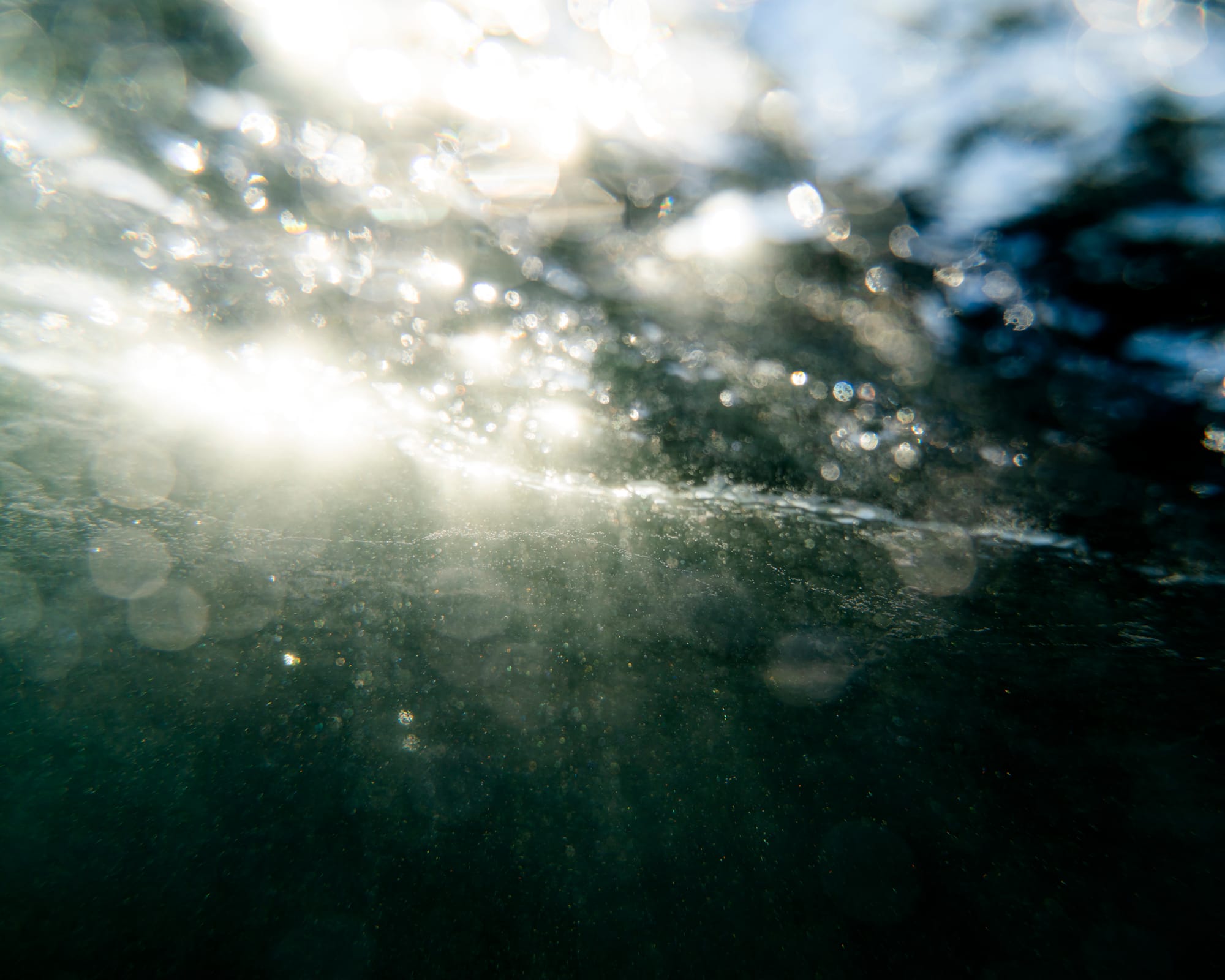
“I’m looking to show the simple beauty of the ocean, with hidden aspects that are not easily seen by the naked eye or the everyday observer. All my images are captured through my perspective and naturally evolve that way. I don’t necessarily follow the idea of having artists I aspire to be like or draw inspiration from, because I’m creating my own view of what I see, something that is uniquely my own.”
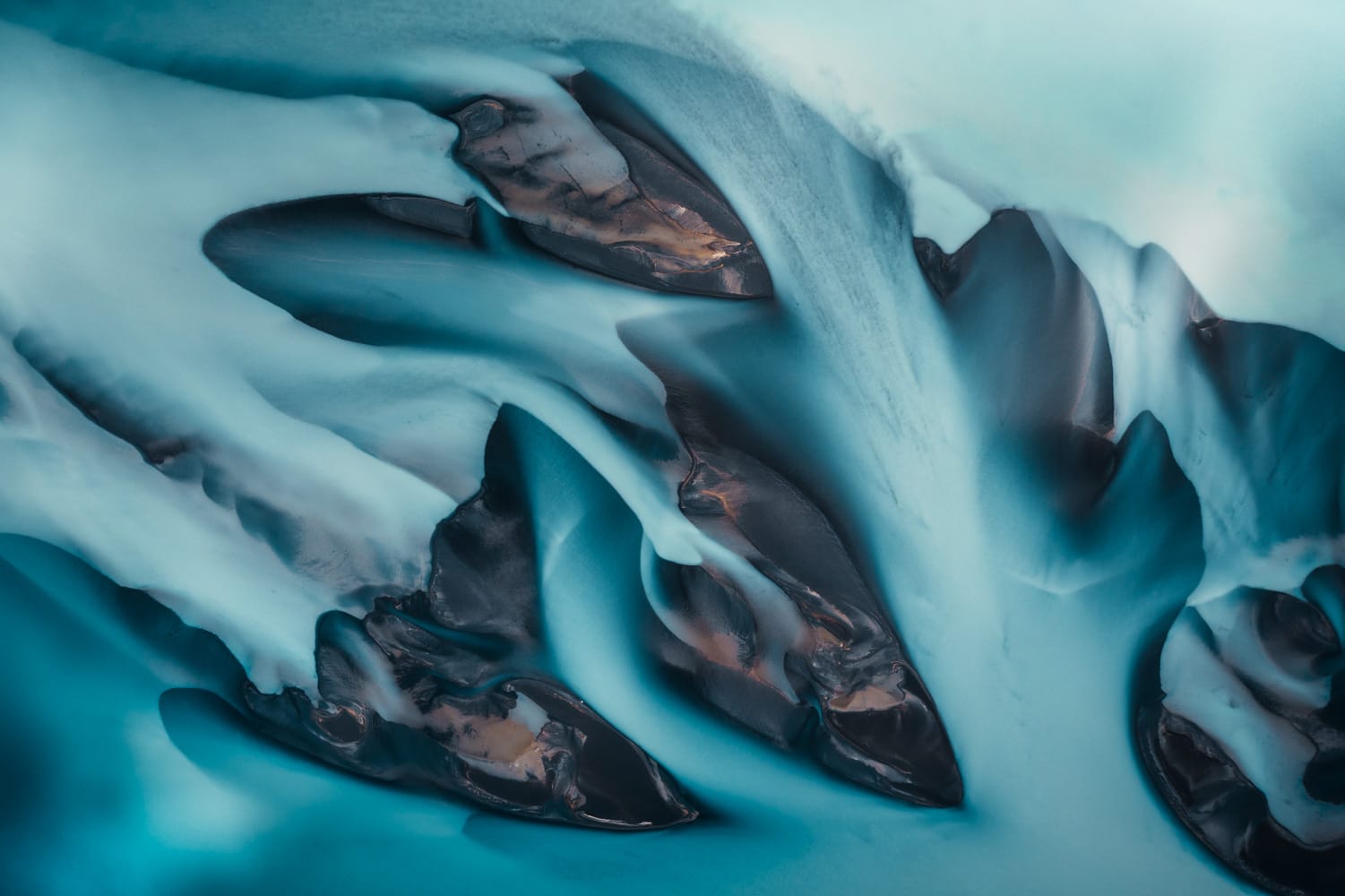
“For me, time is the most important factor. By sometimes spending several weeks in the same location and returning in different seasons, I begin to truly understand a place and its essence. This slow, immersive approach allows for deeper observation and a stronger emotional connection. Technique plays a role, but it is repetition and familiarity that create the foundation for meaningful work.”
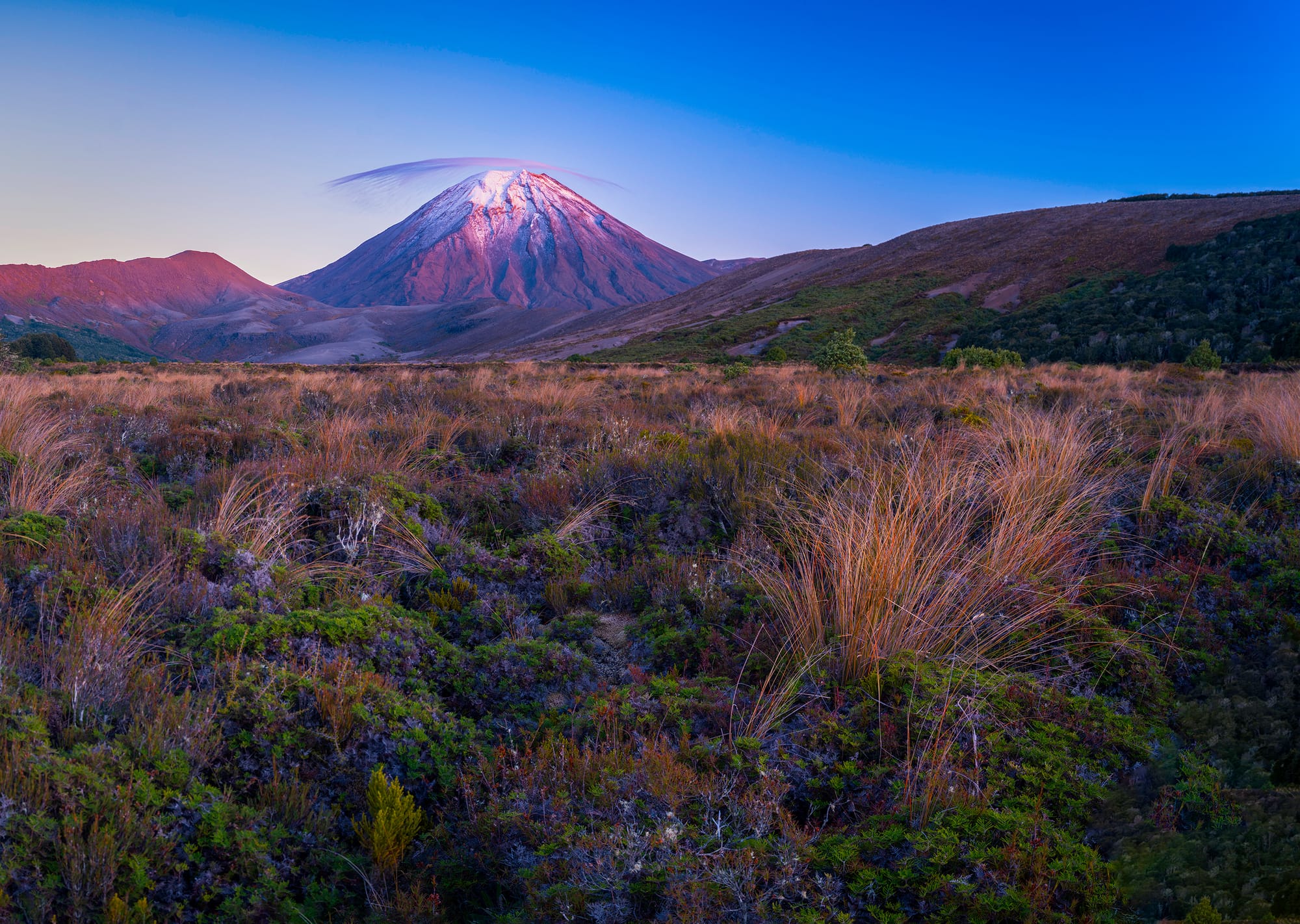
“So it’s with a lot of respect for the outdoors that I head out on my own adventures to capture photographs of these places. This is where I feel most humbled and inspired. The raw beauty, scale, and vastness of the landscape are often enough on their own. But add beautiful light or dramatic weather, especially during the blue hours of dawn and dusk, and it becomes something truly special. Often, I’m the only person around when an incredible light show takes place, and that sense of being present in a fleeting moment is very powerful.
But it doesn’t always need to be a big light show in a dramatic location. I can feel just as inspired photographing a small waterfall, a forest clearing, or a quiet bend in a river. The power of nature, whether subtle or dramatic, is something I never take for granted. I feel very privileged to be there with my camera, trying to capture even a small part of what it means to me.”
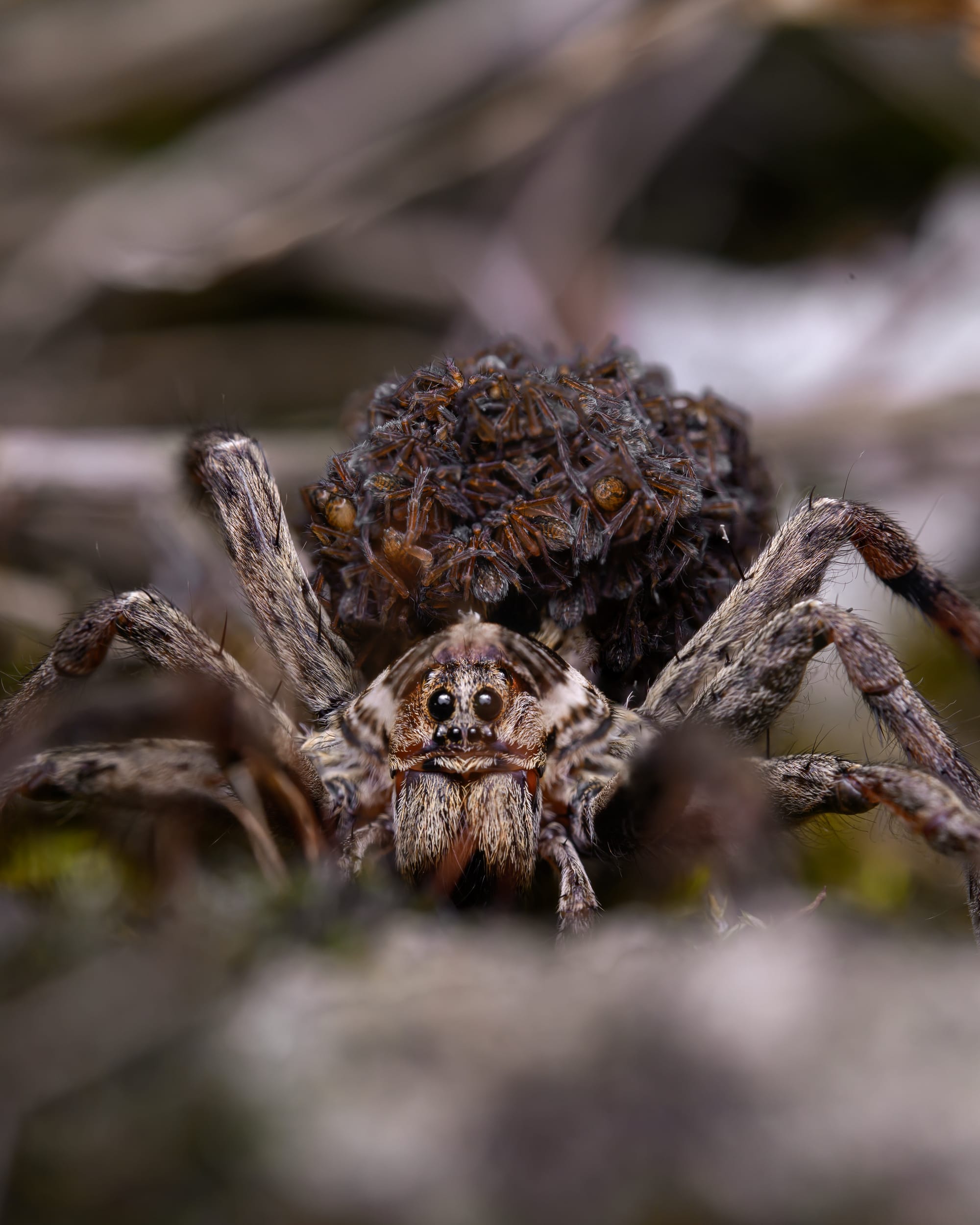
“I hope people feel the beauty and peace of nature, those hidden details we often pass by in a hurry. I try to convey emotion, whether it’s in the delicate details of an insect or in a simple flower that most people overlook.
Storytelling comes through composition and light, but also through patience. I like to capture the subject as it reveals itself in its natural context, without forcing anything. That way, every photo becomes a small visual story.”
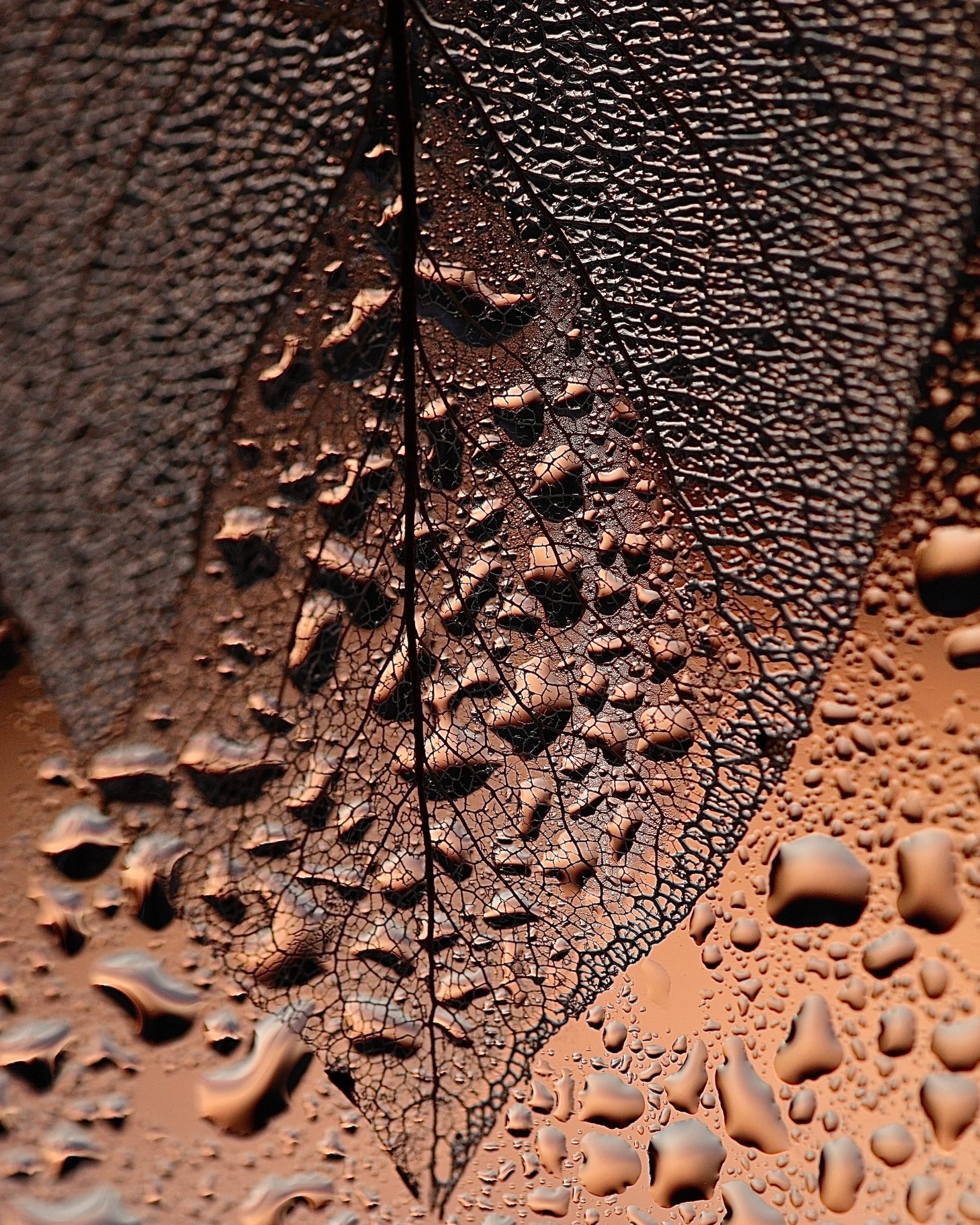
“I was, and still am, curious to learn more about every subject that I photograph, including its origin, life cycle, and role in the environment.
There are processes in nature that take weeks and months, and we are not aware of every stage. When I first saw a skeletal leaf, I was not familiar with this intricate masterpiece or how leaves transform into precious structures through the acts of water and time. Uncovering this mystery was, and still is, like stepping into a distant world.”


