


Tony Hertz’s photographs invite us to slow down and really look. Whether he is working with shadow, waves, plant forms, or vast landscapes, his images are grounded in patience, presence, and a deep respect for the physical world. With a background in photojournalism and decades of professional experience, Tony moves easily between instinct and intention, film and digital, structure and spontaneity.
In this interview, Tony reflects on seeing photographically, working with light and repetition, returning to film in an increasingly AI-driven world, and the quiet disciplines that shape his practice. It is a conversation about craft, observation, and staying true to what feels real.
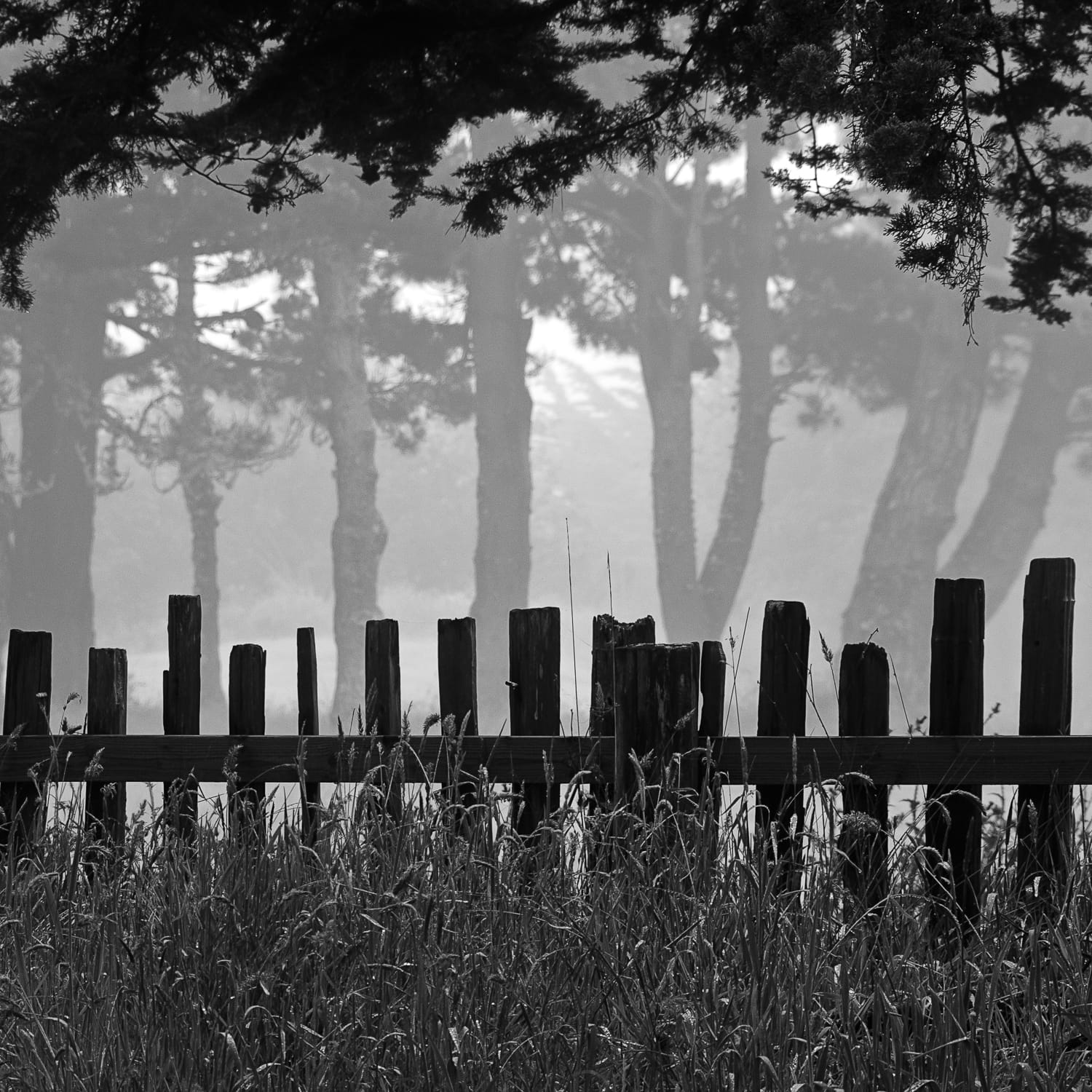
Tony, how did your photography journey begin, and what first drew you to making images?
I’ve always been drawn to images. Since the age of 10, I’ve been intrigued by light and shadow, and then discovered the emotion an image can bring.
I was drawn to LIFE magazine and any other book containing photographs. I’m originally self-taught and then took some photography classes at a junior college in San Bernardino, CA. I loved looking at Aperture and other fine art photography magazines but couldn’t afford fine art school.
After several years of shooting on my own, I attended California Polytechnic University at San Luis Obispo and earned a Bachelor of Science degree in journalism with a photojournalism concentration. Right after graduation, I worked for a daily newspaper for ten years. That experience helped develop my compositional instincts.
I am grateful for, and appreciative of, the medium that has supported me for over 40 years of professional photography. I’m also fortunate to have had veteran LIFE magazine photographer Mark Kauffman as a mentor when I started teaching at Cal Poly.
I’ve been inspired by Wynn Bullock, Minor White, Ansel Adams, and Edward and Brett Weston. Contemporary work by Michael Levin, Michael Kenna, and Chip Hooper is great too.
Your shadow self portraits have become a strong and recognisable theme in your work. How did this idea start, and what keeps you returning to it?
The shadow self portraits came to me while walking my dog, Lolly, at night and observing our shadows from street lights, car lights, and moonlight. Sometimes I created my own light and shadow by placing or attaching a strong flashlight for a particular scene. I also walked in open areas while the sun was setting low, observing how the shadows played on various surfaces.
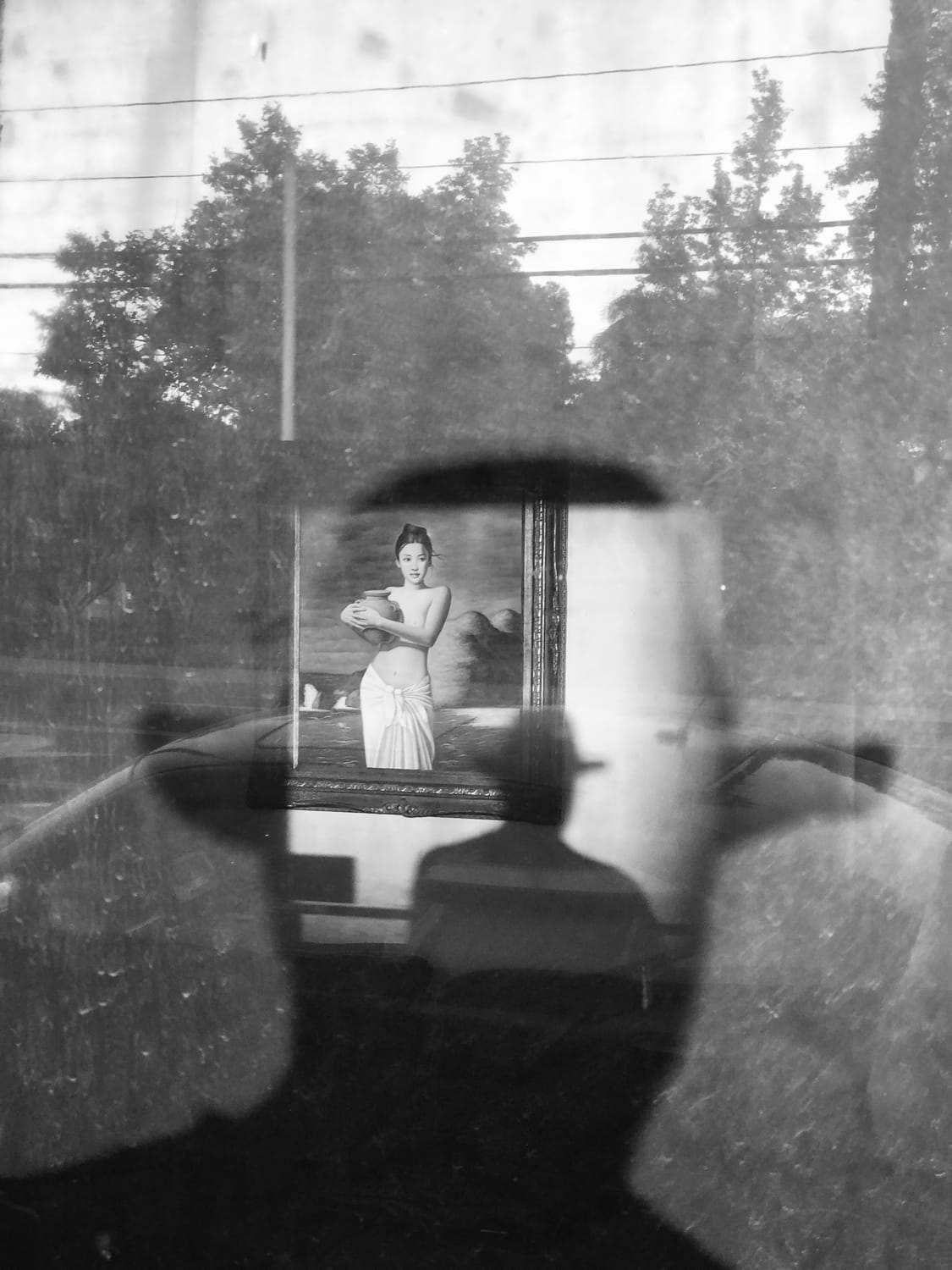
You often share the same photograph in both black and white and colour. How do you decide which version works best, and do you have a personal preference?
I tend to observe potential photographs in structural, shaded compositions, and black and white helps simplify scenes. Colour adds more information and sometimes a colour image is just better.
What camera gear and tools do you usually work with?
Recently, I’ve taken an interest in going back to my roots by shooting natural landscapes with my medium format film camera.


